
What Are the Most Common Bathroom Plumbing Problems?
 The most common bathroom plumbing problems include leaky faucets, running toilets, clogged shower or sink drains, and low water pressure. According to our skilled Berico Plumber, Adam Rhodes, “Most of these issues stem from internal component failure, such as a worn-out flapper causing a running toilet or mineral deposits inside a faucet aerator, which require immediate attention to prevent high water bills and structural water damage.”
Frequent Bathroom Plumbing Issues
It’s possible to run into a variety of plumbing problems in your bathroom, but those below tend to be the ones that come up again and again.
- Leaky Faucets: These can be annoying and will cause your water bill to quickly get out of control.
- Running Toilets: These also increase water bills and likely won’t resolve themselves until worn parts are replaced (or at least adjusted).
- Clogged Drains: Blockages in your sinks or shower can slow drainage and lead to frustrating backups.
- Low Water Pressure: This affects your ability to enjoy a cleansing shower or wash your hands effectively.
The Impact of Hidden Pipe Corrosion
While surface-level issues like clogs are obvious, many bathroom problems originate behind the walls. Older Greensboro homes often have galvanized or copper piping that can develop pinhole leaks over time due to internal corrosion. These “silent” pipe leaks can go unnoticed for months, leading to mold growth and compromised subflooring. A professional inspection can identify these thinning pipe walls before a catastrophic burst occurs.
Understanding Siphonage and Sewer Gas Odors
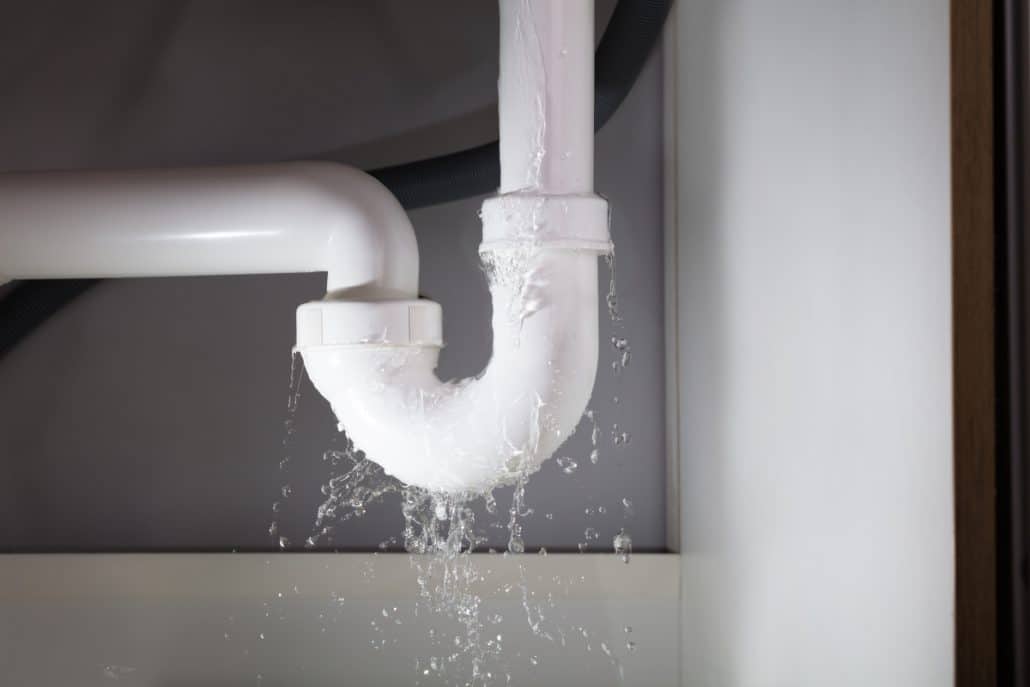
A less discussed but frequent problem is the presence of sewer odors in the bathroom. This is often caused by a “dry trap” or siphonage. Every drain has a P-trap designed to hold a small amount of water to block sewer gases. If the plumbing vents are clogged with debris or the home has been vacant, that water evaporates or gets sucked out. A Berico Plumber can verify that your venting system is clear to maintain the necessary atmospheric pressure within your drain lines.
High Water Pressure and Valve Failure
While low water pressure is a common complaint, excessively high water pressure is actually more damaging to bathroom fixtures. If your home’s pressure-reducing valve (PRV) fails, it can send water through your pipes at over 80 PSI. This puts extreme stress on toilet fill valves and faucet cartridges, leading to the “running” and “dripping” issues mentioned above. Maintaining a steady pressure between 45 and 60 PSI is the ideal range for extending the life of your plumbing system.
What Causes Plumbing Problems?
Without a doubt, wear and tear is the leading cause of bathroom plumbing issues. Over time, parts simply wear out and need to be replaced. Sometimes, it’s a small part like a washer or seal, while in other cases, major parts can reach the end of their useful lives.
Beyond wear and tear, you might have mineral buildup that prevents your fixtures from working correctly. This is particularly common for homes that have hard water, as that water contains excess minerals that are likely to clog drains and reduce water flow.
It’s also possible that improper installation can wind up causing problems later on. This is usually the case when a homeowner tries to do a DIY installation rather than turning the job over to a trained and experienced professional.
Take Some Preventive Steps
You don’t have to wait for problems to come up before you take action. As one step, it’s a good idea to simply check for leaks throughout your bathroom from time to time. Look for signs of water getting out of where it is supposed to be, such as under the pipes below your sinks. This kind of quick visual inspection will go a long way toward catching a problem before it becomes a major issue.
Also, consider using water softeners to avoid problems with mineral buildup over time. Water softeners are an easy and affordable way to address this problem proactively and greatly reduce the chances that mineral problems will lead to costly plumbing repairs down the road.
A Leader in Greensboro Plumbing
For anything from a clogged toilet repair to the installation of new pipes and beyond, Berico should be your first call when plumbing problems pop up. With a friendly and experienced team ready to jump into action, Berico is always ready to get the job done. Call today to schedule your first appointment.
Frequently Asked Questions: Bathroom Plumbing Problems
Why does my bathroom sink smell like rotten eggs?
A sulfur or “rotten egg” smell is usually caused by bacteria buildup in the p-trap or a blocked plumbing vent. If the vent is clogged, sewer gases are forced back up through the drain. Cleaning the sink’s overflow and pouring a mixture of baking soda and vinegar down the drain can often resolve minor bacterial odors, but persistent smells may require a professional vent inspection.
What is the most common cause of a running toilet?
The most common cause of a running toilet is a worn-out flapper valve. Over time, the rubber flapper warps or becomes brittle, preventing a watertight seal at the bottom of the tank. This allows water to constantly leak into the bowl, triggering the fill valve to run continuously to refill the tank.
Why is my shower water pressure suddenly low?
Sudden low water pressure in a single showerhead is typically caused by mineral sediment or limescale clogging the aerator or the showerhead’s internal filter screen. In Greensboro homes with hard water, these deposits can restrict flow significantly. If the low pressure is affecting all fixtures in the bathroom, the issue may be a failing pressure-reducing valve (PRV) or a leak in the main supply line.
Can I use chemical drain cleaners for a bathroom clog?
It is generally recommended to avoid chemical drain cleaners, as they contain caustic acids that can damage PVC pipes and corrode older metal plumbing. For bathroom clogs involving hair and soap scum, a mechanical drain snake is a safer and more effective long-term solution that won’t compromise your pipe integrity.
How do I know if I have a hidden bathroom leak?
The most common signs of a hidden leak include unexplained increases in your water bill, musty odors, peeling wallpaper, or “spongy” spots on the flooring near the tub or toilet. You can also check your water meter; if the dial is moving while all faucets are turned off, you likely have a leak somewhere in your plumbing system.
Adam Rhodes – Plumbing Pro
With 15 years in the plumbing field, Adam Rhodes is the guy you want on the job when something leaks, clogs, or just won’t cooperate. As a Berico plumber, he’s known for dependable work and a calm, neighborly approach. Off the clock, Adam loves spending time with family and friends and getting outdoors whenever he can. When he isn’t on a service call, you can usually find Adam swapping stories with teammates, mentoring newer techs.