
What Causes an HVAC System to Lose Efficiency Over Time?
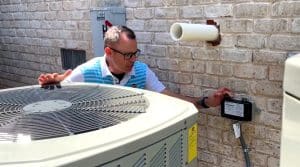 An HVAC system loses efficiency over time primarily due to mechanical wear and tear, internal sediment or dust buildup on coils, and neglected maintenance. According to Berico HVAC expert technician, Karim Gourari, “When components like the blower motor or compressor age, they require more electrical amperage to perform the same amount of work, which directly increases your energy consumption and lowers the efficiency below the original rating.”
The Causes of Declining HVAC Efficiency
There are a few variables that typically cause an HVAC system to gradually lose efficiency over time. Even a quality furnace installation will face these factors:
- Mechanical Wear: Moving parts like bearings and motors create friction over time, requiring more energy to operate.
- Lack of Maintenance: Without lubrication and calibration, the system works harder than necessary.
- Outdated Technology: Modern units feature variable-speed motors that older systems simply cannot match.
- Decreased Airflow: Obstructions or duct leaks force the system to run longer cycles to reach the thermostat setting.
You can’t completely avoid the reality of losing efficiency over time, but you can stem the tide by keeping up with regular maintenance to make sure the parts stay working properly.
Remember the Role of Air Filters
Air filters are critical components within an HVAC system. When the air filter is dirty, it basically “chokes” the system, as not as much air is able to get through that filter and into the system. By replacing the filter on a regular basis, you make sure that the old one never gets too dirty before a new one comes in. Replacing your air filter frequently is one of the best things you can do for your system as a whole.
The Impact of Coil Fouling and Friction
Beyond the air filter, the internal coils, specifically the evaporator and condenser coils, play a massive role in efficiency. Over time, these coils collect a microscopic layer of dust and grime known as “fouling.” This layer acts as an insulator, preventing the refrigerant from efficiently absorbing or releasing heat. Even a 1/10th of a millimeter of dust on a coil can reduce efficiency by up to 20%, forcing your unit to consume significantly more power to achieve the same cooling effect.
Friction and Electrical Resistance in Aging Components
As electrical components age, they often develop higher levels of resistance. Capacitors can lose their ability to store a charge, and wire connections can oxidize. This means the system must “pull” more electricity to start and maintain the cooling or heating cycle. Regular professional inspections include testing these electrical “draws” to ensure they are within the manufacturer’s original specifications, effectively “resetting” the clock on efficiency loss where possible.
Maintenance Will Address Buildup
Gradually, as year after year passes, HVAC equipment will collect buildup on various parts and surfaces. As this happens, the transfer of heat energy from one place to another will become less efficient. So, an air conditioner or furnace that once delivered results in a timely manner may no longer be able to do so. By staying ahead of the maintenance game, however, you can largely avoid this problem, or at least slow down its development.
When Does Efficiency Loss Mean It’s Time for Repair?
If you notice that your energy bills are climbing, it’s a good idea to pay close attention to how your system is operating. Are you noticing that some of your rooms are hotter or colder than others? Some slight variation throughout the home is normal, but dramatic differences could mean repairs are in order. Also, if you notice that the heating or cooling cycles are running for a long time, reach out to an HVAC company to take a closer look.
Work With the Right HVAC Partner
Do you need heating repair performed in your home? Or do you need any other kind of Greensboro HVAC work handled by a professional team? Whatever it is that you require in the world of HVAC, know that Berico is up to the challenge. Place a quick phone call today to get started.
Frequently Asked Questions About HVAC Efficiency
How many years does it take for an HVAC system to lose efficiency?
Most HVAC systems begin to show a measurable decline in efficiency after 10 to 15 years. While a well-maintained unit can last 20 years, the mechanical wear on the compressor and the natural degradation of the coils usually result in a 5% to 10% efficiency drop every few years if routine maintenance is neglected.
Can a dirty outdoor unit cause high energy bills?
Yes. The outdoor condenser unit is responsible for releasing the heat collected from inside your home. If the fins are clogged with grass clippings, dirt, or dryer lint, the heat transfer process is “smothered.” This causes the compressor to run hotter and longer, significantly increasing your monthly electricity costs.
Does low refrigerant mean my system is less efficient?
Absolutely. An HVAC system is a “closed loop,” meaning it should never lose refrigerant. If the levels are low, there is a leak. Low refrigerant levels cause the evaporator coil to struggle with heat absorption, which often leads to the system “short cycling” or freezing up entirely, both of which consume excessive energy.
Will cleaning my ducts improve my HVAC’s efficiency?
While duct cleaning is often done for air quality, it can improve efficiency if there are significant blockages or if the return air registers are restricted. However, sealing duct leaks is generally more effective for efficiency than cleaning alone, as leaky ducts can cause up to 30% of your conditioned air to escape into your attic or crawlspace.
What is the best SEER2 rating for a new unit in North Carolina?
In the Greensboro area, a SEER2 rating of 14.3 to 16 is the current standard for high-efficiency performance. While units are available with ratings of 20 or higher, a 16 SEER2 unit often provides the best “break-even” point between the initial cost of the installation and the long-term energy savings on your utility bills.
Karim Gourari – HVAC Expert
Karim Gourari has been keeping Berico customers comfortable since 2021. As an HVAC expert, he brings a strong work ethic and a genuine love for the job to every home he visits. Karim is proud to work for a company that values people first—and it shows in the care he brings to every system he touches.