

Common Electrical Issues Every Property Owner Should Know About
 Electricity powers our modern lives, yet most of us take it for granted until something goes wrong. Whether you own a home or run a business, electrical problems can range from minor annoyances to serious safety hazards. Understanding the most common electrical issues you might face can help you recognize when to call for professional help and potentially save you from costly repairs or dangerous situations down the road.
Flickering Lights and Power Fluctuations
One of the most common complaints from property owners involves lights that flicker or dim unexpectedly. While an occasional flicker during a storm is normal, persistent problems usually indicate something more serious. The issue might stem from loose wiring connections, an overloaded circuit, or problems with your main electrical panel.
In commercial settings, these fluctuations can be particularly problematic. Imagine running a restaurant where the dining room lights dim every time the kitchen equipment kicks on, or operating a retail store where your point-of-sale systems reset randomly. For businesses, investing in a whole house surge protector can safeguard expensive equipment from voltage spikes that cause these disruptions.
Residential properties face similar challenges, especially in older homes where the electrical system wasn’t designed to handle modern power demands. A thorough electrical troubleshooting session with a qualified professional can identify whether you need to redistribute loads across different circuits or upgrade your system entirely.
Outdated or Overloaded Electrical Panels
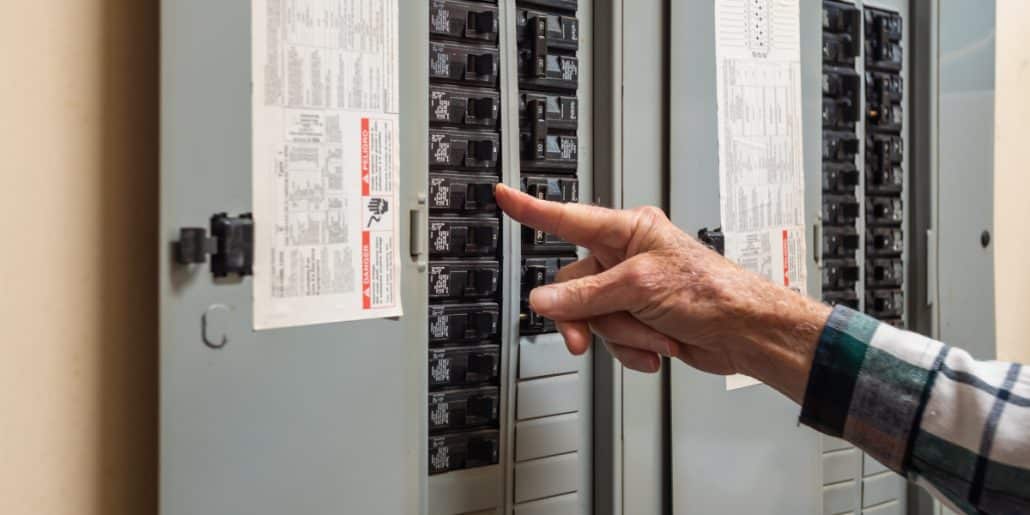
Your electrical panel serves as the heart of your property’s electrical system, distributing power throughout the building and protecting circuits from overload. Many older homes and commercial buildings still operate with panels that are decades old, designed when our electrical needs were much simpler.
Today’s homes are filled with computers, air conditioning units, high-efficiency appliances, and charging stations for multiple devices. Businesses face even greater demands with servers, HVAC systems, specialized equipment, and modern lighting systems. When your panel can’t keep up, circuit breakers trip frequently, creating frustration and potential productivity losses.
An electric panel upgrade isn’t just about convenience,it’s about safety. Older panels, particularly certain brands manufactured decades ago, can pose fire risks. A licensed electrician can evaluate whether your current panel meets your needs and complies with current safety codes. For many property owners, upgrading to a 200-amp service panel provides the capacity needed for both current demands and future expansion.
Circuit Breaker Problems
Circuit breakers protect your electrical system by shutting off power when a circuit becomes overloaded or experiences a short circuit. When breakers trip occasionally, they’re doing their job. However, if you find yourself constantly resetting breakers, you have a problem that needs attention.
Sometimes the issue is simple,you’re plugging too many devices into one circuit. Other times, circuit breaker repair becomes necessary when the breakers themselves wear out or fail. A breaker that trips repeatedly might also indicate dangerous conditions like faulty wiring or a ground fault somewhere in your system.
Business owners should pay particular attention to circuits that serve critical equipment. A restaurant owner whose walk-in cooler circuit fails overnight could face thousands of dollars in spoiled inventory. Similarly, a medical office with refrigerated supplies can’t afford to ignore circuit issues. Having the contact information for a 24 hour electrician can be invaluable when electrical emergencies strike outside normal business hours.
Safety Concerns with Outlets and Switches
Outlets and switches are among the most frequently used components in any electrical system, and they’re also among the most likely to develop problems. Outlets that feel warm to the touch, produce sparks, or have scorch marks are serious fire hazards that require immediate attention.
Modern codes require GFCI outlet installation in areas where water and electricity might meet,bathrooms, kitchens, laundry rooms, garages, and outdoor spaces. These specialized outlets detect ground faults and cut power instantly, protecting you from potentially fatal shocks. Many older properties lack adequate GFCI protection, creating unnecessary risks for occupants.
Beyond safety devices, electrical outlet installation needs often arise simply from having too few outlets for modern needs. Property owners find themselves daisy-chaining power strips, creating both fire hazards and inconvenience. Adding properly placed outlets isn’t just about convenience,it’s about using your electrical system safely and efficiently.
Inadequate Lighting Solutions
Poor lighting affects both homes and businesses in significant ways. Residential properties with inadequate kitchen lighting make food preparation difficult and potentially dangerous. Commercial spaces with poor lighting can drive away customers, reduce employee productivity, and even create liability issues.
The good news is that lighting technology has evolved dramatically. Modern LED recessed lighting provides excellent illumination while using a fraction of the energy of older fixtures. These efficient lights produce less heat, last for years, and can dramatically reduce your electric bills.
For businesses, proper lighting isn’t optional,it’s essential. Retail stores need lighting that showcases products effectively. Offices require illumination that reduces eye strain and supports productivity. Restaurants depend on ambiance created through thoughtful lighting design. Working with a residential electrician or commercial specialist can help you develop a lighting plan that meets your specific needs while controlling costs.
Outdoor and Landscape Electrical Needs
The area outside your building deserves the same attention as the interior when it comes to electrical systems. Outdoor lighting installation serves multiple purposes, from security and safety to aesthetics and curb appeal.
For homeowners, landscape lighting installation can transform a property after dark, highlighting architectural features, illuminating pathways, and creating inviting outdoor living spaces. Well-designed landscape lighting also deters intruders by eliminating dark hiding spots around your property.
Business owners recognize that exterior lighting affects customer perception and safety. A well-lit parking lot makes customers feel secure and helps prevent accidents. Architectural lighting can make your building stand out and reinforce your brand. However, outdoor electrical work requires expertise with weatherproof installations and appropriate wire types to prevent problems during harsh weather.
The Challenge of Upgrading for Modern Conveniences
As technology evolves, so do our electrical needs. Two areas where property owners frequently need upgrades involve vehicle charging and climate control.
The transition to electric vehicles has created new demands on residential and commercial electrical systems. Tesla charger installation and other electric vehicle charging station projects require dedicated circuits with substantial capacity. Many older homes need panel upgrades before they can support Level 2 charging, which requires 240-volt service similar to what an electric dryer uses.
For businesses, providing EV charging can attract customers and employees who drive electric vehicles. Retail locations, hotels, and office buildings increasingly see charging stations as an expected amenity rather than a luxury.
Similarly, climate concerns and the desire for backup power during outages have made whole house generator installation increasingly popular. Whether you’re worried about losing refrigerated food during summer storms or need to keep business operations running during power failures, a properly sized generator provides peace of mind. However, generators require professional installation with proper transfer switches and fuel supplies,not a DIY project for the weekend warrior.
When Simple Projects Become Complex
Some electrical needs seem straightforward until you begin the work. Take ceiling fan installation as an example. While it might appear simple, proper installation requires ensuring the electrical box can support the fan’s weight, running appropriate wiring if none exists, and correctly connecting all components. An improperly installed fan can wobble, making noise and potentially falling.
The same principle applies to virtually all electrical work. What starts as a simple project often reveals larger issues,outdated wiring, insufficient circuit capacity, code violations from previous amateur work, or safety hazards lurking behind walls. This is why electrical codes require permits for most work and why insurance companies care about whether licensed professionals performed electrical installations.
The Business Cost of Electrical Problems
While homeowners deal with inconvenience and safety concerns from electrical issues, business owners face additional financial pressures. Every hour that electrical problems keep your business closed represents lost revenue and potentially lost customers who go elsewhere and never return.
Consider a retail store that can’t accept credit card payments due to electrical issues, or a restaurant that can’t operate its kitchen equipment during the lunch rush. A manufacturing facility might see entire production lines sit idle. Medical and dental practices might need to reschedule patients, damaging relationships and revenue.
The cost of preventive maintenance and proper electrical installations pales in comparison to these business interruptions. Regular inspections and upgrades keep systems reliable and help you avoid emergency situations that damage your bottom line.
Recognizing When to Call for Help
Many property owners hesitate to call electricians for what they perceive as small problems. However, electrical issues rarely improve on their own, they worsen over time. That minor flickering light might indicate a loose connection that’s arcing and creating heat, potentially starting a fire inside your walls where you can’t see it.
Professional electricians bring more than technical skills to the job. They understand electrical codes, safety requirements, and proper techniques that protect your property and its occupants. They carry insurance that protects you if something goes wrong. They can obtain necessary permits and arrange for inspections that keep your property compliant with local regulations.
For property owners, the question isn’t whether to hire a professional but rather which professional to hire. Look for contractors who are properly licensed and insured, who have established reputations in your community, and who communicate clearly about pricing and timelines. Read reviews, ask for references, and don’t automatically choose the lowest bid,quality work costs more but provides far better value over time.
Planning for Electrical Improvements
Whether you own a home or a business, thinking strategically about your electrical system pays dividends. Rather than addressing problems only when they become emergencies, consider conducting a comprehensive electrical assessment.
This evaluation might reveal that you need capacity upgrades to support future needs, safety improvements to bring older installations up to current standards, or efficiency upgrades that will reduce your operating costs. Creating a prioritized plan lets you budget for improvements and tackle them systematically rather than being forced into expensive emergency repairs.
For business owners, this planning becomes even more critical. You might coordinate electrical upgrades with renovation projects, equipment installations, or expansion plans. You can schedule work during slow periods to minimize disruptions to operations.
The Bottom Line on Electrical Issues
Electrical problems affect every property owner eventually. The key to managing these issues successfully lies in recognizing warning signs early, understanding when professional help is necessary, and working with qualified electricians who prioritize safety and quality.
Your electrical system is too important to neglect and too dangerous to trust to amateurs. Whether you’re dealing with a tripping breaker, planning a major renovation, or simply want to upgrade to more efficient lighting, professional electrical service provides the expertise and assurance that the work is done correctly and safely.
By staying informed about common electrical issues and maintaining your system properly, you protect your investment, ensure the safety of everyone who uses your property, and avoid the costly disruptions that electrical failures create. The small investment in professional electrical service today prevents the major problems and expenses that come from neglecting your electrical system tomorrow.