

Will Your Home’s Electrical System Support EV Charger Installation?
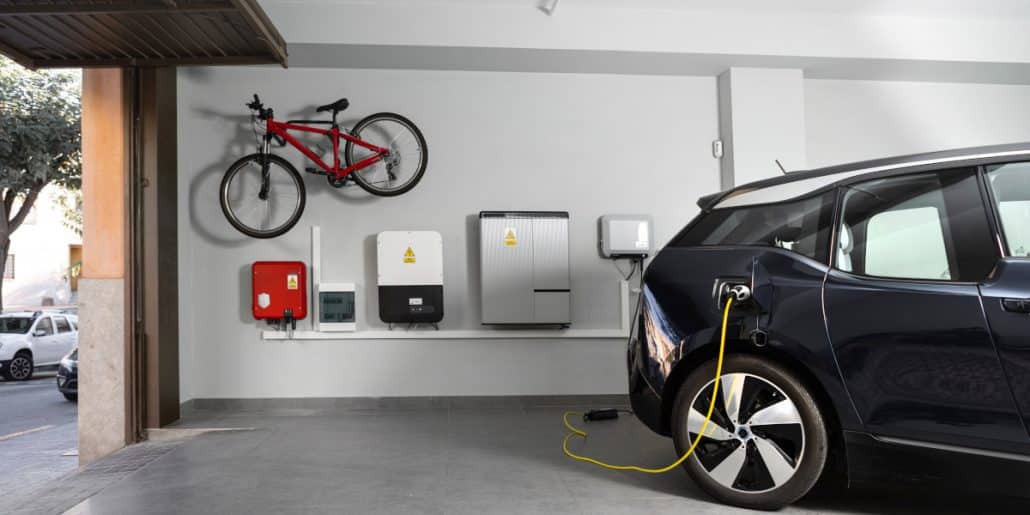
 Electric vehicles are more popular than ever, and more hit the road every day. If you are joining this movement, hiring a Greensboro electrician to add a charger to your home is an important step. But before the work begins, your electrical system needs to be evaluated carefully. Not every home is ready out of the box, and the gap between “probably fine” and “confirmed ready” is one that only a licensed professional can close.
Here is what Greensboro homeowners need to know about electrical requirements, panel capacity, and what the installation process actually involves.
Electrical System Requirements for EV Chargers
Most homes can support an EV charger, but the installation requires confirmed panel capacity, a dedicated circuit, proper wiring, and available breaker space before any work proceeds. With that said, it is necessary to confirm that you have sufficient panel capacity, proper wiring, and available circuit space. If you are using an outdated system currently, it might be necessary to upgrade before an EV charger can be added.
The specifics matter here. A Level 2 EV charger typically requires a 240-volt, 50-amp dedicated circuit. That means your panel needs to supply at least 50 amps of available capacity beyond what your home is already drawing. In a home running a 100-amp service panel, that headroom may not exist. In a home with 200-amp service, it usually does. A licensed electrician will perform a load calculation to confirm exactly where your system stands before any work is quoted or scheduled.
Older homes in Greensboro neighborhoods like Fisher Park and Lindley Park often have 100-amp panels and older wiring that predate the EV era entirely. In those cases, a panel upgrade is frequently part of the project, not an optional add-on.
What Does a Load Calculation Tell You?
A load calculation is a professional assessment of how much electrical capacity your home currently uses versus how much your panel can safely supply, and it determines whether adding an EV charger is safe without upgrades.
During a load calculation, your electrician reviews the amperage rating of your main panel, the circuits already in service, the wattage demands of your major appliances, and any seasonal loads like central air conditioning. North Carolina summers put sustained pressure on electrical systems. Running a heat pump or central AC at capacity while charging an EV creates a combined load that older panels may not be sized to handle safely.
This is not a step to skip or guess at. The load calculation is what separates a safe, code-compliant installation from one that trips breakers or, worse, creates a fire risk.
Take a Closer Look at the Details
Electrical systems are complicated, and work should always be done by a licensed professional. As a homeowner, it can be helpful to understand the fundamentals, so you know what’s going on when you hire an electrician. Here’s a little more about the basics of installing an EV charger.
- Available capacity. EV chargers often need a 240-volt circuit, and your current panel may not have enough free capacity to handle such an addition without overloading.
- Dedicated circuit requirement. An EV charger should always be on its own circuit. This will ensure safe and reliable operation without impacting the performance of other circuits around the house.
- Panel space for new breakers. There needs to be physical space available within the panel to add a new breaker that will serve your EV charger. Most Level 2 chargers require a double-pole 50-amp breaker, which occupies two slots in your panel.
- Proper wiring. In older homes specifically, the wiring may not be capable of supporting the higher voltage and amperage required to charge an electric vehicle. A Level 2 circuit typically requires 6-gauge copper wire run from the panel to the garage or charging location.
- Permit and inspection. In Guilford County, EV charger installations require an electrical permit. Berico’s electricians handle the permitting process as part of the installation, ensuring the work is inspected and documented correctly.
“In Greensboro, we see a lot of homes in established neighborhoods where the panel was sized for the appliances of a different era. When a homeowner wants to add a Level 2 charger, the first thing we do is a full load calculation. In many cases, the panel needs to go from 100 amps to 200 amps before we can proceed safely. Getting that assessment done upfront saves homeowners from surprises and makes sure the installation passes inspection the first time.”
-Toni Mortera, Electrician, Berico
Do All Homes Need an Electrical Upgrade for an EV Charger?
No, many homes are already equipped with everything they need to add an EV charger safely. The primary variable here tends to be age. In an older home, which was built long before EV charging was even on the radar, the electrical system may not be ready to handle the demands of this addition. It’s important to have a professional electrician do a detailed load calculation to determine if your system can safely handle the added demand of an EV charger.
Newer construction in Greensboro is more likely to already have 200-amp service and the physical panel space needed for an additional double-pole breaker. Homes in those areas often move straight to installation without needing a panel upgrade. Homes in older, established neighborhoods more frequently require additional work before the charger can go in.
The Difference Between Level 1 and Level 2 Charging
Level 1 charging uses a standard 120-volt outlet and adds roughly 3 to 5 miles of range per hour, while Level 2 charging uses a dedicated 240-volt circuit and delivers 20 to 30 miles of range per hour, making it the practical choice for daily home charging.
There are two main types of EV charging setups that are common today.
- Level 1 chargers work on a standard 120-volt outlet. These are easy to add to almost any electrical system, but they charge vehicles rather slowly. For a driver commuting 40 or 50 miles a day, overnight Level 1 charging may not fully replenish the battery before morning.
- Level 2 chargers use a 240-volt circuit, meaning they can charge your batteries much faster. They do place more strain on the electrical system, however, so upgrades may be required. Most homeowners who are serious about daily EV use choose Level 2 for this reason.
The connector type also matters. Most Level 2 home chargers use a NEMA 14-50 outlet or are hardwired directly into the panel. Your electrician will confirm which setup your charger manufacturer recommends and install accordingly.
What Happens During a Panel Upgrade?
A panel upgrade replaces your home’s existing electrical service panel with a higher-capacity unit, typically increasing service from 100 amps to 200 amps, and it involves coordination with your local utility for the service connection.
The process includes shutting off power to the home, removing the old panel, installing the new panel and updated breakers, and reconnecting all circuits correctly. In North Carolina, this work requires an electrical permit and a final inspection by the local electrical inspector before power is restored. Berico’s licensed electricians manage that process from start to finish, including scheduling the utility coordination required when the meter needs to be pulled.
For most Greensboro homeowners, the upgrade itself is completed in a single day. The permitting and inspection timeline depends on Guilford County’s scheduling, but Berico handles all of that communication so the homeowner does not have to track it independently.
Is a Permit Really Required for EV Charger Installation?
Yes, in Guilford County, a permit is required for any new 240-volt circuit installation, including EV chargers, and skipping the permit means the work will not be inspected or documented, which can create problems when selling the home or filing an insurance claim.
Unpermitted electrical work is one of the more common issues that surfaces during home sales in the Greensboro area. When a home inspector or buyer’s electrician identifies work that was done without a permit, it can delay or derail a closing. Having a licensed electrician like Berico pull the permit and pass inspection protects both the safety of the installation and the value of the property.
Frequently Asked Questions
What panel size do I need for a Level 2 EV charger?
Most Level 2 home chargers require a 200-amp service panel to ensure safe operation alongside existing household loads. Homes with 100-amp panels may need a panel upgrade before installation. A licensed electrician will perform a load calculation to confirm what your specific home requires.
Can I install an EV charger in an older Greensboro home?
Yes, but older homes often need additional electrical work first. Homes in established Greensboro neighborhoods like Fisher Park, Lindley Park, and similar areas frequently have older service panels and wiring that must be evaluated and potentially upgraded before a Level 2 charger can be safely installed.
Do I need a permit to install an EV charger in Greensboro, NC?
Yes. Guilford County requires an electrical permit for any new 240-volt circuit installation, including Level 2 EV chargers. Berico handles the permitting process and schedules the required inspection as part of every installation.
How long does EV charger installation take?
In a home that already has sufficient panel capacity, the installation of a Level 2 charger typically takes a few hours in a single visit. If a panel upgrade is also needed, the electrical work is usually completed in one day, with the permitting and inspection process running on a separate timeline managed by Berico.
Ready to install a Tesla charger? The experts at Berico can handle EV charging station installation with ease, confirming everything is done safely and up to code requirements. No matter what type of electrical work you need done at your home in the Greensboro area, the best starting point is a call to Berico today.