

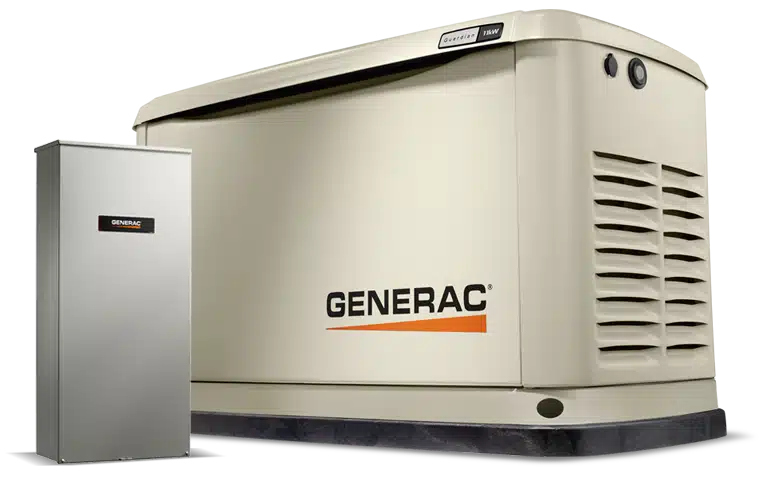
When Should I Install a Whole House Generator?
When Should You Install a Whole House Generator in Burlington?
Power outages in Burlington rarely give much warning. An ice storm moves through in January, a summer thunderstorm knocks a limb into a line, or a piece of aging equipment on the grid fails on an ordinary Tuesday afternoon. In most cases, the lights come back within a few hours. Some years, they don’t.
The real question homeowners need answered isn’t whether a whole house generator is a good idea. It’s whether now is the right time to schedule a Burlington generator installation, and what actually needs to happen to get the installation done correctly.
Quick Answer: The best time to install a whole house generator is before you need it, not during an outage. Homeowners with medical equipment, home offices, or properties prone to frequent outages benefit most from a standby generator and see the fastest payoff. Once you decide to move forward, the installation itself depends on correct sizing, the right fuel source, and proper integration with your home’s electrical panel, work that should always be handled by a licensed electrician.
Why Waiting on a Generator Decision Might Cost More
Waiting can cost more, since generator demand spikes the moment bad weather hits and installation isn’t something that happens same day.
Every homeowner who calls an electrician in the middle of a multi-day outage is asking for the same thing everyone else on the street just asked for. Supply houses run low on units, installation schedules fill up, and permitting offices get backed up with requests. None of that is a pricing tactic. It’s simply what happens when a whole neighborhood decides at the same time that it needs power.
A generator installation involves a site evaluation, an electrical load calculation, permitting, and in most cases a fuel line installation if you’re running on natural gas or propane. None of that happens in a single afternoon. Homeowners who plan ahead of a weather event get to schedule installation on a normal timeline. Homeowners who wait until the power is already out are choosing to compete for the same limited slots as everyone else.
The Homeowners Who Benefit Most From a Standby Generator
Not every home needs a whole house generator, and a good electrician will tell you that directly instead of trying to sell you one anyway. Generators earn their cost when they solve a specific, ongoing problem rather than a hypothetical one.
Homes With Medical Equipment or Refrigerated Medication
This is the situation where a generator stops being a convenience and becomes closer to a necessity. Oxygen concentrators, CPAP machines, and powered mobility equipment all need consistent electricity, and a battery backup only buys a few hours at best. The same is true for insulin or other medications that require refrigeration. If anyone in the household depends on powered equipment or cold storage for health reasons, a whole house generator removes a real risk rather than just an inconvenience.
Remote Workers and Home-Based Businesses
If your income depends on a working internet connection and a functioning computer, a two or three day outage isn’t just annoying. It’s lost income, missed deadlines, and in some cases lost clients. For homeowners in this position, a generator often pays for itself the first time it prevents a missed workday, and it keeps paying off every outage after that.
Properties With a History of Frequent Outages
Some streets in Burlington lose power more often than others, usually because of tree coverage, older utility lines, or a substation that struggles during heavy load. If your home has a track record of going dark every time there’s a strong storm, that history is the best predictor of what’s coming. A generator on a property like this isn’t a luxury. It’s addressing a pattern that’s already been established.
Homeowners without one of these specific needs can still benefit from a generator, but the decision usually comes down to comfort and not having to think about outages rather than necessity. That’s a legitimate reason to move forward. It just changes the urgency, not the value.
Why Burlington’s Weather and Power Grid Make This Worth Planning For
Burlington sits in a part of the state that gets hit from more than one direction. Winter brings the occasional ice storm that coats power lines and tree limbs until something gives way. Summer brings strong thunderstorms and the remnants of tropical systems that roll through the Piedmont with heavy wind and rain. Add in a mature tree canopy across most established Burlington neighborhoods, and you have a lot of overhead line exposed to falling limbs every time the wind picks up.
A good number of homes in the Burlington area also carry electrical panels and service that are decades old. Older infrastructure, both on the utility side and inside the home, tends to fail sooner under stress than newer systems. None of this means every outage is a crisis. It does mean that outages here aren’t rare, isolated events. They’re a predictable part of living in this region, which is exactly why planning ahead of time matters more here than it might somewhere with a more modern grid and less tree cover.
Getting the Installation Right
Buying a generator and having it installed correctly are two different projects. A generator that’s undersized, misfueled, or improperly tied into your electrical system won’t perform the way you expect when you actually need it.
Natural Gas or Propane
One of the first decisions in any generator project is fuel source. Natural gas works well for homes that already have gas service running to the property, since it draws directly from the existing line with no tank to monitor or refill. Propane is the better option for homes without natural gas access. A propane tank can be installed on the property specifically to fuel the generator, and it gives you a reliable, self-contained fuel source that doesn’t depend on a utility connection at all.
Neither option is universally better. The right choice depends on what’s already available at your home and how you want to manage fuel long term.
Correct Sizing
A generator that’s too small won’t carry your home’s full electrical load, which means certain circuits or appliances get cut out during an outage even though the generator is running. A generator that’s oversized costs more upfront and burns fuel less efficiently than it should. Correct sizing comes from an actual load calculation on your home’s electrical panel and circuits, not a guess based on square footage. This is one of the areas where experience matters. An electrician who has sized dozens of these systems will catch details that a generic online sizing calculator won’t.
Electrical Integration
The generator also needs to tie into your home’s electrical system through a transfer switch, which is what allows the generator to take over automatically when utility power drops and hand control back once it’s restored. This connection has to be done correctly and to code, both for safety and so the system performs the way it’s supposed to during an actual outage. This part of the project should never be handled as a shortcut.
What to Expect When You Call Berico
Berico has served homeowners throughout Greensboro, Burlington, and Eden since 1924, and the company now offers professional electrical services, including standby generator sales, installation, and maintenance. When you call, a trusted Burlington electrician will walk your property, look at your existing panel and service, talk through your specific reasons for wanting a generator, and help you land on the right size and fuel type for your situation. There’s no pressure to buy more generator than you need.
“The homeowners who are happiest with their generator years later are the ones we sized correctly the first time, not the ones who bought the biggest unit available,” says Toni Mortera, Expert Electrician at Berico. “Getting the load calculation right up front saves people money and headaches for the life of the system.”
Key Takeaways
A whole house generator makes the most sense for homes with medical needs, remote work income, or a history of frequent outages, though plenty of other homeowners choose one simply because they don’t want to worry about the next outage. Burlington’s weather patterns and tree cover mean outages here are a predictable part of living in the area, not a rare event. Once you decide to move forward, the project comes down to three things: the right fuel source, correct sizing based on an actual load calculation, and a properly installed transfer switch.
Waiting until a storm is already bearing down puts you in line behind everyone else who waited too. Planning ahead means you get the installation done on a normal schedule, sized correctly, before you ever need to rely on it.
If you’re ready to talk through your options, Berico’s electrical team can walk your property, answer your questions, and help you figure out what makes sense for your home.
People Also Ask
How much does a whole house generator cost to install?
Cost depends on the generator’s size, the fuel type, and how much electrical work is needed to tie it into your home’s panel. Homes needing a new propane tank or significant electrical upgrades will cost more than homes with existing natural gas service and a modern panel. The only accurate way to get a number for your home is a site evaluation, since square footage alone doesn’t determine what your home actually needs.
How long does a whole house generator installation take?
The physical installation typically takes one to two days once the equipment is on site, though the full process, including the site evaluation, permitting, and any required fuel line work, usually takes longer. Homes needing a new propane tank or panel upgrades will need additional time before installation day.
Do I need a permit to install a standby generator?
Yes. Most municipalities, including Burlington, require an electrical permit and inspection for a whole house generator installation. A licensed electrician handles the permitting process as part of the installation, so this isn’t something homeowners need to manage on their own.
Can a whole house generator run my entire home?
It depends on how it’s sized. A generator sized for your home’s full electrical load can run everything, including HVAC, well pumps, and major appliances. A smaller unit may be set up to run only essential circuits. This is decided during the load calculation, not after installation, so it’s worth being clear about your expectations before the unit is chosen.
How often does a standby generator need maintenance?
Most manufacturers recommend an annual maintenance visit, similar to servicing a furnace or air conditioner. Regular maintenance checks the battery, oil, fuel connections, and transfer switch to make sure the system will actually start and run when it’s needed, which is the entire point of having one.
What’s the difference between a whole house generator and a portable generator?
A whole house generator is permanently installed, runs on natural gas or propane, and starts automatically within seconds of a power outage through a transfer switch. A portable generator has to be manually set up, fueled, and connected each time it’s used, and it typically can’t power an entire home’s electrical load. Portable units work for short-term, limited needs, but they aren’t a substitute for a properly installed standby system.
Will a generator work during an extended multi-day outage?
A natural gas generator can run for as long as the gas utility keeps supplying fuel, since it isn’t limited by tank size. A propane generator will run until the tank runs low, so tank size matters for homeowners who expect longer outages. Either option is built to run continuously for days if needed, unlike a portable generator that requires frequent refueling and monitoring.
Should I get a generator if my power rarely goes out?
If your home doesn’t have medical needs, remote work income at stake, or a history of frequent outages, a generator becomes more about comfort and preparedness than necessity. That’s still a valid reason to install one. It just means the decision comes down to how much you value not having to think about it when the next storm rolls through.
Does a generator increase my home’s value?
A whole house generator is generally viewed as a valuable feature by buyers, particularly in areas prone to outages, but it’s not typically categorized the same way as a kitchen or bathroom renovation. Most homeowners install one for their own use rather than as a resale strategy, though it rarely hurts a home’s marketability.
What size generator do I need for my house?
The right size comes from a load calculation based on your home’s specific electrical panel, circuits, and the appliances you want to keep running, not from a generic chart based on home square footage. An electrician can walk through this with you and explain exactly what’s driving the recommendation, so you understand why a particular size makes sense for your home.