

What Is a Package HVAC Unit and How Is It Different From a Split System?
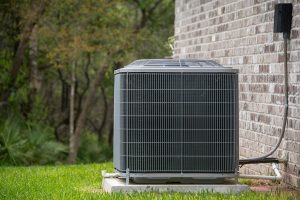 If you’re shopping for new heating and air conditioning equipment, you may run into a term that doesn’t come up often: package unit. It sounds like it could mean almost anything, so it’s worth taking a minute to explain exactly what it is and why a contractor might bring it up for your home.
Quick Answer: A package HVAC unit is a single outdoor cabinet that houses all of your heating and cooling equipment in one place, usually on a concrete slab or a rooftop. A split system, which is what most Greensboro homes use, keeps the furnace or air handler inside the house and only the condenser outside. Package units show up most often in homes without a basement, attic, or mechanical closet to hold an indoor unit, such as mobile homes and slab-on-grade construction.
A Package Unit Puts Everything in One Outdoor Cabinet
A package unit is self-contained, meaning your heating and cooling equipment lives together in a single outdoor cabinet instead of being split between an indoor and outdoor component. That cabinet gets installed on a concrete slab near the home or, less commonly for residential properties, up on a rooftop.
This setup exists for one main reason: some homes simply don’t have anywhere to put an indoor air handler. If there’s no basement, no attic access built for HVAC equipment, and no mechanical closet, a package unit lets you skip that problem entirely by keeping everything outside.
How a Package Unit Compares to a Traditional Split System
A split system separates your equipment into two locations, and that separation is exactly what makes it the more common choice in this area. The outdoor unit, the condenser, handles heat exchange with the outside air. The indoor unit, the air handler or furnace, conditions the air and pushes it through your ductwork. Refrigerant lines and electrical wiring run between the two, tying them together into one system.
Keeping the air handler indoors matters more here than homeowners often realize. Greensboro summers bring heavy humidity, and indoor equipment doesn’t have to fight that moisture directly the way outdoor equipment does. Winter cold snaps are easier on components that are sitting inside a conditioned space rather than exposed to freezing air overnight. That’s a big part of why split systems are the default recommendation for most homes in this area, and why experienced technicians only reach for a package unit when the layout of the home actually calls for it.
Why Package Units Show Up in Certain Homes
Package units aren’t a downgrade. They solve a specific problem, and that problem usually comes down to available space. A mobile home rarely has the structural design to fit an indoor air handler and a proper duct run. Slab-on-grade homes without a basement or crawlspace face the same limitation. In both cases, a package unit gives the home a full heating and cooling system without needing to carve out indoor mechanical space that was never part of the original design.
The Tradeoffs Worth Understanding
Every package unit sits outside year-round, and that constant exposure is the single biggest factor in how long the system lasts and how well it performs. Heat, humidity, freezing temperatures, and the heavy pollen season this region sees every spring all land directly on equipment that a split system would keep protected indoors. Technicians who service package units regularly see coil corrosion and drainage issues show up sooner than they would on comparable indoor equipment, simply because there’s no roof over the cabinet.
Efficiency tends to run a step behind split systems too. It’s not that package units are poorly built. It’s that consolidating everything into one outdoor cabinet creates some inherent limitations that a separated system doesn’t have to work around.
None of this means a package unit is the wrong call. When a split system genuinely isn’t practical for a home, a package unit still delivers reliable comfort. It just comes with a maintenance rhythm that shouldn’t be skipped. Homeowners who stay current on seasonal service tend to get much closer to the equipment’s full expected lifespan than homeowners who treat it like a set-and-forget appliance.
How Berico Can Help
Whatever your home’s layout calls for, a traditional split system, a ductless mini-split, or a package unit, Berico can walk you through what actually makes sense for your space before any equipment goes in the ground. We’ve been part of this community since 1924, and that long history means we’ve seen how different home types across Greensboro, Burlington, and Eden hold up over the years with each type of system.
“The homes that get the longest life out of a package unit are almost always the ones on a regular maintenance schedule,” says Darrel Honeycutt, Expert HVAC Technician at Berico. “Skipping a season or two of service is where we start seeing coil damage that could have been caught early.”
If you’re planning a new HVAC installation and aren’t sure which setup fits your home, reach out and we’ll help you figure it out.
Key Takeaways
Most homes in the Greensboro area use a split system, with the air handler indoors and the condenser outside, and that’s usually the better choice when there’s a place to put it. Package units earn their place in homes without a basement, attic, or mechanical closet, most often mobile homes and slab-on-grade construction. The tradeoff is that everything sits outside year-round, which shortens component lifespan and trims efficiency compared to a split system, but a well-maintained package unit still keeps a home comfortable through every season.
People Also Ask
Are package HVAC units good for North Carolina’s climate?
They can work well, but the heat, humidity, and pollen this region sees each year put more stress on outdoor equipment than a split system would face. A package unit installed here needs a consistent maintenance schedule to hold up against those conditions, especially through the humid summer months.
Can a package unit be converted to a split system?
In some cases, yes, but it depends on whether the home has a place to put an indoor air handler and whether ductwork can be rerouted to support it. This isn’t a simple swap, and it usually requires a full evaluation of the home’s mechanical space before a contractor can say whether it’s practical.
Do package units cost more to maintain than split systems?
Package units generally need more frequent attention because the equipment is exposed to the weather year-round. Coils, drainage, and electrical connections tend to need earlier inspection than the same components would on an indoor air handler, so staying current on seasonal service matters more with this setup.
How long do package HVAC units last?
Lifespan varies by usage and maintenance, but constant outdoor exposure typically means package units don’t last quite as long as comparable split systems. Homes that keep up with regular seasonal service tend to get much closer to the equipment’s full expected lifespan than homes that skip maintenance.
Is a package unit noisier than a split system?
Both systems produce similar operating noise, but a package unit’s noise source sits entirely outside the home since all the equipment, including the blower, is in one outdoor cabinet. Depending on where it’s placed, that can actually mean less noise indoors compared to a split system with an air handler in a closet or attic near living space.
What size home is a package unit best suited for?
Package units are sized the same way any HVAC system is sized, based on square footage, insulation, layout, and local climate, not a specific home size category. The decision to use a package unit instead of a split system comes down to available mechanical space, not the size of the home itself.
Can a package unit be installed on a roof for a residential home?
Rooftop placement is more common for commercial buildings than homes, but it’s occasionally used for additions or homes where ground placement isn’t practical. Most residential package units sit on a concrete slab near the home rather than on the roof.
Do package units work for both heating and cooling?
Yes. A package unit can be built to handle heating and cooling in one cabinet, similar to how a split system pairs a furnace or heat pump with an air conditioner. The equipment inside the cabinet varies depending on whether the unit uses gas heat, electric heat, or a heat pump.
Why don’t more homes in Greensboro use package units?
Most homes here have a basement, attic, or mechanical closet that makes a split system the more practical and typically longer-lasting option. Package units become the better fit mainly when that indoor mechanical space simply doesn’t exist, which is less common in traditional home construction than in mobile homes or slab-on-grade builds.
Is a ductless mini-split a type of package unit?
No. A ductless mini-split is its own category, using an outdoor condenser connected to one or more small indoor units without traditional ductwork. A package unit still relies on a duct system to distribute air, it just houses all the equipment outdoors instead of splitting it between indoor and outdoor components.