

Can Power Surges Come from Inside Your Home?
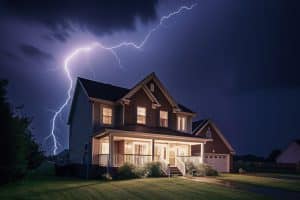 Yes. In fact, 60% to 80% of all power surges originate internally. These “silent” surges occur when large appliances like air conditioners and refrigerators cycle on and off, sending brief spikes of 200-600 volts through your wiring. While smaller than lightning strikes, these repeated fluctuations cause cumulative damage to sensitive electronics, shortening their lifespan by up to 50%. According to Berico expert electrician, Brandon Fisher, “Most Greensboro homeowners are shocked to learn that their own air conditioner causes dozens of small power surges every single day. While each individual surge from an AC compressor starting up might only spike to 200-400 volts above the normal 120V, over months and years these repeated surges silently damage expensive electronics and shorten their lifespan by 30-50%.”
When you think of a power surge, you usually imagine something that starts outside of your house and makes its way in. They are often a surge from the grid, and if you have whole house surge protection in place, your things should be protected. But can a surge actually come from inside? This article is going to dive into that interesting and important question, explain what causes internal surges, and help you understand how to protect your home.
What Causes Power Surges Inside Your Home?
Where do power surges come from? While they can come from the grid itself, it does seem that there are other possibilities to understand. The reality is that your home generates its own power surges constantly, and most homeowners have no idea it’s happening.
Power surges can come from inside the home, and they originate from a variety of sources:
Large Appliances Cycling On and Off
Large appliances cycling on and off are one of the most common causes of internal surges. When a major appliance with a motor or compressor starts up, it demands a sudden rush of electricity that can temporarily spike voltage levels throughout your home’s electrical system. This initial power draw creates a brief surge that radiates through circuits connected to the same electrical panel.
Faulty or Damaged Wiring
You may also encounter surges as a result of faulty wiring or malfunctioning electrical components. Loose connections, corroded wire terminals, frayed insulation, or improperly installed circuits can all interrupt the smooth flow of electricity and create voltage spikes. These wiring issues are particularly common in Greensboro homes built before 1980 that haven’t had electrical system upgrades.
Malfunctioning Devices and Electronics
Aging electronics with failing internal components can draw irregular amounts of power, sending spikes through circuits they share with other devices. Old power tools, damaged phone chargers, worn components in HVAC systems, and any device with internal short circuits all contribute to this problem.
The Scale of Internal Surges
Internal power spikes are usually smaller than those that come from the grid, but they are still something to monitor as they can add to the wear and tear that is experienced by your appliances and electronics. A lightning strike can send 20,000+ volts surging through your electrical system in a catastrophic event. By comparison, internal surges typically range from 200-600 volts, which might not sound dramatic. However, these smaller surges happen dozens or more times per day, and their cumulative effect causes significant damage over time.
No matter where they come from, power surges can be dangerous. That’s why it’s important to understand them and determine what action you might be able to take to mitigate the risks that you face.
What Is a Power Surge, Anyway?
It’s a good idea to back up for a second and make sure you are clear on what a power surge is and why it can be a problem. As the name would suggest, a power surge is a sudden spike in electrical voltage that goes beyond the normal flow of electricity through your home’s wiring.
The electrical system in your home is designed to handle a steady, consistent voltage of 120 volts in North America. When that balance is disrupted, excess energy can overwhelm the circuits. According to IEEE standards, any voltage spike above 169 volts (140% of normal) is considered a surge that can potentially damage sensitive electronics.
Power surges are short in duration, usually lasting only fractions of a second, typically between one millionth of a second (microseconds) to a few thousandths of a second (milliseconds). A one-off power surge won’t necessarily do any damage to your system or its components, but many surges over time can have a cumulative effect that is quite harmful. The steadier the flow of energy through your wires, the better for everything that is connected to those wires.
Think of it like repeatedly flexing a paperclip. One bend won’t break it. Ten bends won’t break it. But bend it back and forth 50 times and it may snap. Your electronics experience the same gradual weakening from repeated power surges.
Which Appliances Create the Most Internal Surges?
You probably don’t think much about your appliances as they operate, but they can actually be the cause of small surges throughout your home’s system from day to day. Understanding which appliances create the most significant surges helps you identify your biggest internal surge sources.
Common Appliance Surge Wattage
| Appliance | Running Wattage | Startup Surge Wattage | Typical Voltage Spike |
| Central Air Conditioner | 3,000-5,000W | 6,000-10,000W | 200-400V above normal |
| Refrigerator/Freezer | 100-200W | 2,000-3,000W | 150-300V above normal |
| Electric Water Heater | 3,000-4,500W | 4,000-6,000W | 200-350V above normal |
| Electric Oven/Range | 2,000-5,000W | 3,000-6,000W | 150-300V above normal |
| Clothes Dryer | 3,000-5,000W | 4,000-6,500W | 200-350V above normal |
| Dishwasher | 1,200-1,500W | 2,000-2,500W | 100-200V above normal |
| Washing Machine | 500-2,200W | 1,500-3,000W | 100-250V above normal |
| Microwave Oven | 600-1,200W | 800-1,500W | 100-150V above normal |
| Space Heater | 1,200-1,500W | 1,500-2,000W | 100-200V above normal |
Air Conditioners and Heat Pumps (3,000-5,000 watts)
When air conditioners and heat pumps cycle on and off, they can push through a rush of electricity on a temporary basis. The compressor motor requires a massive initial power draw to overcome inertia and start spinning. This startup surge can spike voltage by 200-400 volts above normal levels. During hot Greensboro summers, your AC might cycle on 15-20 times per day, creating 15-20 voltage spikes daily.
Refrigerators and Freezers (600-800 watts, 2,000+ watt startup)
As refrigerators and freezers engage their compressors to stay cold, they can do the same thing. While a running refrigerator only draws 100-200 watts, the compressor startup can briefly pull 2,000+ watts. Since refrigerators cycle on and off every few hours around the clock, they create more frequent surges than almost any other appliance in your home.
Electric Ovens and Ranges (2,000-5,000 watts)
Microwaves and electric ovens draw significant wattage, so you might notice surges when those appliances are used. Electric ovens pulling 4,000-5,000 watts can cause noticeable voltage drops on the same circuit, and when they cycle off, the sudden release can create a reverse surge.
Other High-Draw Appliances:
- Electric water heaters: 3,000-4,500 watts
- Clothes dryers: 3,000-5,000 watts
- Dishwashers: 1,200-1,500 watts
- Washing machines: 500-2,200 watts depending on cycle
- Space heaters: 1,200-1,500 watts
Make no mistake, the surges that come from your appliances are nowhere near as powerful as something like a surge from a lightning strike. With that said, they do happen far more often, so their cumulative effect is nothing to ignore. According to industry studies, the average home experiences 20-30 internal power surges daily from normal appliance operation.
How Does Faulty Wiring Cause Power Surges?
Aging or damaged wiring can play a role in this story, as well. Wiring problems don’t just fail to deliver stable power. They actively create voltage fluctuations that surge through your electrical system.
When you have a loose connection in the system, for example, electrical flow can be interrupted, which can then lead to voltage fluctuations and surges. A loose wire terminal creates resistance at that connection point. As electricity tries to jump across that poor connection, it generates heat and voltage spikes. In addition to loose connections, frayed wires or improperly installed circuits can also do the same thing.
Common Wiring Problems That Cause Surges:
Oxidized or Corroded Connections
Wire connections that have oxidized over decades create high-resistance points where voltage can spike as electricity forces its way through the degraded connection.
Aluminum Wiring (Common in 1965-1973 Construction)
Homes built during this period often have aluminum wiring that expands and contracts with temperature changes, loosening connections over time and creating surge-prone failure points.
Overloaded Circuits
Circuits carrying more amperage than they’re rated for generate excess heat that degrades wire insulation and connection integrity, leading to voltage instability.
Improper Wire Gauge for Load
Using 14-gauge wire where 12-gauge is required creates resistance that can cause voltage drops and subsequent surges when loads change.
While these are problems that can impact any home, they are far more likely to occur in older houses around the Greensboro area. If you live in a home that was built years ago and has had any electrical upgrades, there is a good chance that at least a few issues have popped up in your wiring system. Homes built before 1980 in particular often have wiring that’s now 40-50 years old, well beyond the point where connections start degrading.
Warning Signs You’re Experiencing Internal Power Surges
Many homeowners experience internal power surges for months or years without recognizing the symptoms. Here are the warning signs that indicate you have a surge problem:
Lights Flickering When Appliances Start
If your lights dim or flicker noticeably when your air conditioner kicks on, your refrigerator compressor starts, or you turn on the microwave, you’re seeing visible evidence of voltage fluctuations and surges.
Electronics Resetting or Glitching Randomly
Digital clocks that need to be reset frequently, routers that reboot unexpectedly, or computers that crash without explanation often indicate power quality issues including internal surges.
GFCI Outlets Tripping Frequently
While GFCI outlets are designed to trip for safety, frequent unexplained tripping (especially when certain appliances cycle on) can indicate surge activity on that circuit.
Unusually Short Electronics Lifespan
If you’re replacing TVs, computers, routers, or other electronics every 3-4 years instead of the expected 7-10 years, cumulative surge damage is likely shortening their lifespan.
Light Bulbs Burning Out Frequently
LED bulbs rated for 10-15 years that burn out in 1-2 years, or incandescent bulbs that fail far sooner than expected, often indicate voltage instability and surges.
Burning Smell Near Outlets or Switches
Any burning smell is a serious warning sign that electrical components are overheating, potentially from surge-related damage.
Appliances or Electronics That Feel Unusually Hot
Devices that run hotter than normal or power adapters that are warm to the touch when they shouldn’t be may be experiencing surge-related stress.
If you notice any combination of these warning signs, you likely have an internal surge problem that needs professional evaluation.
Pay Attention to Malfunctioning Devices
As an electrical appliance begins to fail, it can disrupt the electrical balance in your home. Internal components within those appliances may start to draw irregular amounts of power, which can send spikes through shared circuits. There are a number of different types of electronics that you might need to watch when thinking about this problem.
Old Power Tools
Old power tools are notorious for starting to use far more power than they did initially. Worn motor brushes, failing capacitors, or damaged windings cause erratic power draw that creates surges affecting other devices on the same circuit.
Damaged Chargers and Power Adapters
Damaged chargers or power adapters can pull excess power and cause spikes. Notice if they are getting warmer than they used to while plugged in, as that is a sign of trouble. A failing adapter might draw power in irregular bursts rather than the steady draw it was designed for.
Worn-Out HVAC Components
Worn-out HVAC components can place significant strain on your electrical system. A failing compressor capacitor, worn blower motor bearings, or a struggling compressor all draw irregular and excessive current, creating surge events throughout your home.
Electronics With Internal Short Circuits
Electronics with internal short circuits will cause small surges while trying to operate properly in spite of the short. These devices essentially become surge generators themselves, spreading the problem to everything else on shared circuits.
It might seem harmless enough to keep plugging old electronics into your sockets, but there is damage happening behind the scenes. Make it a point to stop using old electronic devices that you know aren’t working correctly and your entire system will be better off. According to Berico’s local electrician, Brandon Fisher, “I’ve seen cases where a single failing dehumidifier in a basement was creating voltage spikes that damaged a $3,000 home theater system two floors above it. Everything in your home shares the same electrical panel, so one bad device can affect electronics throughout the entire house.”
Internal vs. External Power Surges: What’s the Difference?
Understanding the difference between internal and external surges helps you assess your risk and choose appropriate protection:
| Factor | Internal Surges | External Surges |
| Voltage Range | 200-600V above normal | 1,000-20,000V+ above normal |
| Frequency | 20-30 per day | 5-10 per year |
| Duration | Microseconds to milliseconds | Microseconds |
| Common Causes | Appliances cycling, faulty wiring, malfunctioning devices | Lightning strikes, grid switching, transformer issues, downed power lines |
| Damage Pattern | Gradual cumulative wear | Immediate catastrophic failure |
| Prevention | Whole house surge protection, dedicated circuits, regular electrical maintenance | Whole house surge protection, lightning arrestors, utility-side protection |
| Percentage of Total Surges | 60-80% | 20-40% |
This comparison shows why internal surges, despite being smaller, actually cause more total damage to the average home. The sheer frequency of internal surges means your electronics are under constant low-level stress that accumulates into failure.
How Much Does Whole House Surge Protection Cost?
Without a doubt, the best way to care for your home electronics is to have a whole house surge protection system installed. With this piece of equipment in your home, you’ll be able to cut down on the damage that is done by any surges that come through the system.
Whole House Surge Protection Cost Guide (2026)
| Level of Protection | Estimated Range | What’s Included |
| Basic (Type 2) | $500-$900 | Standard unit installed on a 100/200A panel with adequate breaker space |
| Advanced (Type 1 & 2) | $1,200-$3,500 | High-joule protection at main panel + HVAC disconnect surge arrestor for comprehensive layered defense |
| Comprehensive/Smart Home | $3,000-$6,500+ | Maximum protection for server racks, medical equipment, extensive home automation, and EV chargers |
Expert Note: “The cost often depends on your panel’s ‘real estate,'” says Berico electrician Brandon Fisher. “If your panel is maxed out, we may need to reconfigure your breakers or add a sub-panel to safely integrate the surge protection. We always recommend a ‘layered’ approach: one unit at the main panel and individual surge strips for high-value home theaters or offices.”
The installation cost includes the surge protection device itself, professional installation at your main electrical panel by a licensed electrician, any necessary breaker upgrades or panel modifications, permits and inspections required by Greensboro building codes, and typically a warranty on both the device and installation work.
A whole house surge protector works by cutting down on excess voltage before it spreads throughout the rest of the electronics in your home. When the device detects voltage above safe levels (typically anything above 169V), it diverts the excess electricity to the ground wire, preventing it from reaching your circuits and damaging connected devices.
It can protect all connected circuits at the same time and will reduce the cumulative damage to your electronics that has been discussed in this article. Unlike individual surge protector power strips that only protect whatever’s plugged into them, a whole house system protects everything from your HVAC system to your doorbell camera.
How Long Does Whole House Surge Protection Last?
Most whole house surge protectors have a lifespan of 5-10 years depending on how many surges they’ve absorbed. Many models include indicator lights that show when the device is still providing protection and when it needs replacement. After a major external surge event like a nearby lightning strike, the device should be inspected to ensure it’s still functioning properly, as a single large surge can exhaust its protective capacity.
Do You Need Both Whole House and Point-of-Use Protection?
The short answer is yes, for optimal protection. You can use whole house surge protection along with typical surge protection outlet strips for a layered defense.
Layered Protection Strategy:
First Layer: Whole House Surge Protector
Installed at your main electrical panel, this device handles large external surges from lightning and grid issues, and reduces the impact of major internal surges from appliances. Think of this as your primary defense that stops 80-90% of surge energy.
Second Layer: Point-of-Use Surge Protectors
Quality surge protector power strips at individual outlets provide additional protection for specific valuable electronics like computers, TVs, home theater equipment, and home office equipment. These catch the remaining 10-20% of surge energy that makes it past the whole house protector and handle small surges generated by devices on the same circuit.
What to Look for in Point-of-Use Surge Protectors:
- Joule rating of at least 1,000 (higher is better)
- UL 1449 certification
- Indicator light showing protection is active
- Protected phone/coax/ethernet lines if applicable
- Warranty that covers connected equipment
For truly valuable or sensitive equipment like home servers, medical devices, or professional audio/video equipment, consider adding an uninterruptible power supply (UPS) as a third layer. A UPS provides surge protection plus battery backup to handle both power surges and power outages.
Trustworthy Greensboro Electricians Standing By
There are many different reasons you may need to work with the leading electrician Greensboro has to offer, which is the Berico team. Whether you need whole house surge protection installed to safeguard your home, you’re experiencing warning signs of internal surges and need electrical diagnostics, or your older Greensboro home needs wiring upgrades to eliminate surge-causing problems, Berico has the expertise to help.
You might be interested in adding EV charging stations to your home, or you could have a simple GFCI outlet installation to complete. You might need dedicated circuits installed for major appliances to reduce surge activity, or electrical panel upgrades to handle modern electrical demands safely. Whatever the case, don’t put these projects off any longer.
Power surges, whether they come from inside or outside your home, cause real damage that costs real money in shortened electronics lifespan and potential appliance failure. Protecting your home with proper surge protection and addressing underlying electrical issues is an investment that pays for itself through preserved electronics and peace of mind.
Give a call to Berico now and get started with a comprehensive electrical evaluation to identify surge risks and implement the protection your home needs.
Frequently Asked Questions About Internal Power Surges
How do I know if I have internal power surges?
Common signs include lights flickering when appliances start, electronics resetting unexpectedly, GFCI outlets tripping frequently, light bulbs burning out faster than expected, and electronics failing after only 3-4 years instead of their expected 7-10 year lifespan. If you notice multiple symptoms, you likely have an internal surge problem requiring professional electrical evaluation.
Can a refrigerator cause a power surge?
Yes, absolutely. Refrigerators cause power surges every time their compressor cycles on, which happens every 2-4 hours around the clock. While a running refrigerator only draws 100-200 watts, the compressor startup can briefly demand 2,000+ watts, creating a voltage spike of 150-300V above the normal 120V. This makes refrigerators one of the most frequent sources of internal surges in any home.
What appliances cause the most power surges?
Air conditioners and heat pumps cause the largest and most frequent internal surges (3,000-5,000 watt draw creating 200-400V spikes, cycling 15-20 times daily in summer). Refrigerators cause the most frequent surges overall due to constant cycling. Electric water heaters, ovens, clothes dryers, and any appliance with a motor or compressor also generate significant internal surges when starting up.
How much does whole house surge protection cost in Greensboro?
Professional installation of whole house surge protection in Greensboro typically costs $500-$900 for basic protection on standard panels, $1,200-$2,500 for advanced multi-point protection including HVAC disconnect units, or $3,000-$4,500+ for comprehensive systems protecting smart homes with extensive automation or specialized equipment. Costs vary based on panel condition and whether modifications are needed.
Do I need surge protectors if I have whole house protection?
Yes, for optimal protection you should use both. Whole house surge protection installed at your main panel stops 80-90% of surge energy from external sources and major appliances. Point-of-use surge protectors at individual outlets provide a second layer of defense for valuable electronics, catching the remaining surge energy and protecting against surges generated by devices on the same circuit. This layered approach provides the most comprehensive protection.
Can bad wiring cause power surges?
Yes, faulty wiring is a major cause of internal power surges. Loose wire connections create resistance that causes voltage spikes. Corroded terminals, frayed insulation, overloaded circuits, and improperly sized wiring all create points of electrical resistance that disrupt smooth power flow and generate voltage fluctuations. Greensboro homes built before 1980 are particularly susceptible as wire connections degrade after 40-50 years.
How often should I replace my whole house surge protector?
Whole house surge protectors typically last 5-10 years depending on how many surges they’ve absorbed. Most quality models include indicator lights showing when protection is active and when the device needs replacement. After any major surge event like a nearby lightning strike, have the device inspected by a licensed electrician to ensure it’s still providing protection, as a single large surge can exhaust its capacity.
Will a power surge damage my HVAC system?
Yes, power surges can damage HVAC components including the compressor, control boards, capacitors, and blower motors. Ironically, your HVAC system both creates internal surges (when the compressor cycles) and can be damaged by external surges. This is why whole house surge protection is particularly important for protecting expensive HVAC equipment that can cost $5,000-$25,000 to replace.