

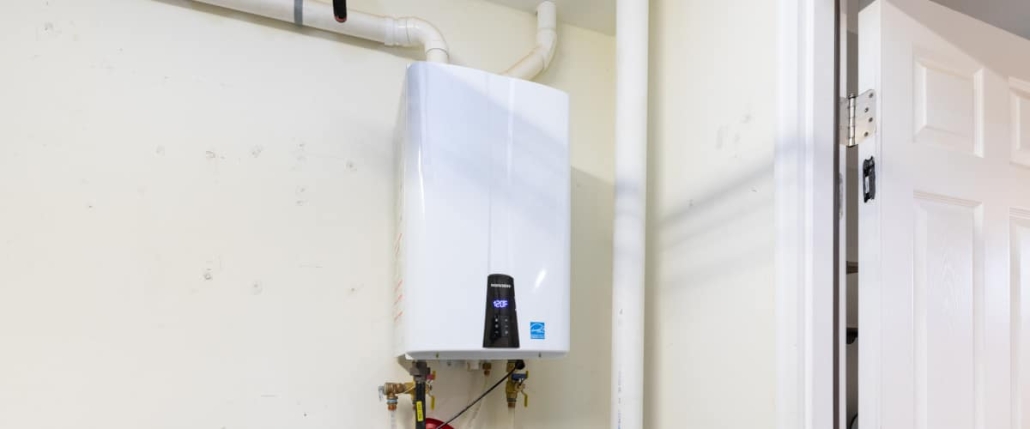
Is It Time to Replace My Water Heater?
 Modern water heaters are impressively reliable, but no piece of equipment lasts forever. Should you explore water heater repair or replace the whole unit? That question comes up more often
than you might think, and the answer depends on several key factors: the age of your system, the nature of the problem, and how much life is realistically left in the unit.
For homeowners in Greensboro, Burlington, Eden and High Point, this decision can feel especially pressing during peak demand seasons. Cold winters and hot summers put constant strain on your water heater, and a unit that is already struggling will rarely get better on its own.
These Signs Indicate You Need a New Water Heater
You likely need to replace your water heater if it is more than 10 years old, requires frequent repairs, does not produce hot water consistently, or shows signs of leaks or corrosion. Minor issues can be repaired, but aging systems that run into many problems should simply be replaced.
Knowing which category your water heater falls into is not always obvious from the outside. Some problems develop slowly over months before becoming noticeable. Others appear suddenly, leaving you with cold showers and no clear explanation. The guide below covers the most common warning signs Berico plumbing technicians encounter in Triad-area homes.
A Closer Look at These Problems
Understanding what is going wrong with your water heater is the first step toward deciding whether or not to invest in a replacement. Here’s some additional info that should be helpful.
Age of the Unit
Most standard tank-style water heaters have a lifespan of 8 to 12 years, and a unit approaching or past that range should be evaluated carefully before investing in additional repairs. If your system is getting to that age, you can assume that you will need to purchase a replacement sometime soon.
You can find the manufacture date on the label attached to the tank, usually near the top. The first four characters of the serial number often encode the month and year. If you are unsure how to read it, a Berico plumbing technician can identify the age during a service visit.
Inconsistent Hot Water
When internal components start to fail in a water heater, you may notice that you run out of hot water faster than you used to, or that the temperature fluctuates up and down as you use it. In electric units, this is often caused by a failing heating element. In gas units, it can point to a deteriorating burner assembly or thermocouple.
If you have a larger home in neighborhoods like Irving Park or Lake Jeanette, inconsistent hot water that coincides with heavy household use could also be a capacity issue. Upgrading to a larger tank or switching to a tankless water heater could solve the problem permanently.
Unusual Noises
A water heater should be relatively quiet as it works. If you have started to hear unusual sounds like popping or rumbling, those can point to sediment buildup inside the tank. This is a common issue in the Triad, where mineral deposits accumulate over time.
Sediment settles at the bottom of the tank and gets superheated during each cycle. The popping or knocking sounds you hear are steam bubbles forcing their way through that layer. Beyond the noise, sediment reduces heating efficiency and accelerates wear on the tank liner. Flushing the tank annually can slow this process, but a unit with heavy buildup and existing age may be past the point where flushing helps.
Rusty or Discolored Water
Check the color of your hot water when it is running out of a tap. If you see a brown or reddish tint, you might have corrosion inside of the tank. This is a serious warning sign because once the interior of the tank has begun to corrode, no repair can fully reverse the damage.
Before concluding that the tank itself is the source, run cold water from the same tap. If the discoloration only appears in the hot water line, the tank is the likely culprit. If both lines are discolored, the issue may originate in your pipes. A Berico plumber can diagnose the exact source and give you an accurate assessment.
Visible Leaks or Moisture Around the Tank
Pooling water or persistent moisture near the base of your water heater is a sign that something has failed structurally and that replacement is likely the only long-term solution. Small drips from fittings or the pressure relief valve can sometimes be repaired. However, moisture coming from the tank body itself indicates that the tank has cracked or corroded through.
Even a slow leak should be treated urgently. Water heater failures can cause significant property damage if the tank lets go completely. If you spot pooling water, shut off the cold water supply to the unit and call Berico right away.
“In my experience working on water heaters in Greensboro and the surrounding Triad, the homeowners who wait too long on a replacement end up dealing with emergency calls and water damage that could have been avoided. If your unit is 10 years old and you are already paying for the second or third repair, the math rarely works out in your favor. A new, properly sized unit will perform better and cost less to operate from day one.”
— , Licensed Master Plumber, Berico Home Services
The Repair vs. Replacement Debate
Not every hot water heater issue demands a complete replacement. Sometimes, your best bet is to just have a minor repair completed and move on. For instance, if you need a new heating element for a water heater that is less than 10 years old, going ahead with the repair will make a lot of sense.
When you start to think twice about repairs is when they are expensive and required on an older unit. Before moving forward with any repair, think about how much the repair will be in comparison to installing a new water heater. If you are approaching half or more of the cost of a new one, and the current one is already around the 8 to 10 year mark, repairs might not make financial sense. You can always speak with a member of the Berico team about this dilemma to make an informed choice with the help of an expert.
A useful framework is the “50 percent rule”: if the repair cost exceeds 50 percent of the cost of a new unit, and the existing unit has already surpassed its expected service life, replacement is almost always the better investment. A new unit comes with a manufacturer warranty, better energy efficiency, and a clean slate, while a patched older unit is still an older unit.
Tank vs. Tankless: Which Water Heater Is Right for Your Home?
When replacing a water heater, Greensboro homeowners have two primary options: a traditional storage tank model or a tankless water heater, and each comes with distinct advantages depending on household size and usage patterns.
Traditional tank water heaters store a set volume of water, typically 40 to 80 gallons, and keep it heated continuously. They are less expensive upfront and straightforward to install. The tradeoff is standby heat loss: you pay to keep water hot even when no one is using it.
Tankless water heaters heat water on demand, meaning they only activate when you open a hot water tap. They tend to have longer service lives, often 15 to 20 years, take up significantly less space, and eliminate standby energy loss. For larger homes in Greensboro’s Fisher Park or Starmount neighborhoods where hot water demand is high, a tankless water heater can be a strong long-term investment.
Key factors when choosing between the two:
• Household size and peak hot water demand
• Available fuel source (natural gas, propane, or electric)
• Upfront budget versus long-term operating cost
• Available space for installation
• Local water hardness and mineral content (which affects tankless maintenance)
How Long Should a Water Heater Last in North Carolina?
Most tank-style water heaters in North Carolina last between 8 and 12 years under normal conditions, while tankless units can last 15 to 20 years with proper annual maintenance. Local water quality and usage habits both influence how quickly a unit ages.
The Piedmont Triad region has moderately hard water, which contributes to mineral scale buildup in both tank and tankless systems. Annual flushing of a tank unit, or annual descaling of a tankless unit, will meaningfully extend service life. Berico plumbing technicians can perform this maintenance as part of a scheduled service visit.
How to Extend the Life of Your Current Water Heater
Proper maintenance can add years to a water heater that is otherwise in good condition, and the steps involved are straightforward enough that most homeowners can stay on schedule with occasional professional help.
Maintenance tasks that protect your investment:
• Flush the tank annually to remove sediment buildup
• Test the pressure relief valve every year to confirm it is functioning
• Inspect the anode rod every 2 to 3 years and replace it if it is heavily corroded (the anode rod is the sacrificial metal rod that prevents the tank from rusting from the inside)
• Set the thermostat to 120 degrees Fahrenheit to reduce mineral scaling and improve efficiency
• Insulate exposed hot water pipes in unconditioned spaces like crawlspaces and garages
Even a well-maintained unit will eventually reach the end of its service life. If you are performing all of these tasks and still experiencing the warning signs listed above, that is a strong signal that the unit has simply aged out.
Call Berico Today to Get Started
The best option for water heater replacement in Greensboro is Berico. It’s just that simple. Whether you are upgrading to a tankless water heater or simply need to have a new traditional water heater installed, you’ll be in good hands with the Berico team.
Berico’s licensed plumbing technicians serve Greensboro and the surrounding Triad communities, including Burlington, High Point, and neighboring areas. With more than 100 years of home comfort experience behind every service call, Berico brings the kind of diagnostic knowledge that comes from seeing every type of water heater problem imaginable. Now is the time to reach out and schedule your appointment or ask any questions you may have about the process.
Frequently Asked Questions About Water Heater Replacement in Greensboro
How do I know if my water heater needs to be replaced or just repaired?
If your water heater is less than 8 years old and has a single, isolated problem, a repair is usually the right call. If it is 10 years or older, experiencing multiple issues, or if the repair cost is approaching 50 percent of a new unit, replacement makes more sense financially and practically.
What is the average lifespan of a water heater?
Standard tank-style water heaters typically last 8 to 12 years. Tankless water heaters have longer service lives, often 15 to 20 years, when properly maintained. The exact lifespan depends on water quality, usage, and whether annual maintenance has been performed.
Is a tankless water heater worth it?
For many Greensboro homeowners, yes. Tankless water heaters eliminate standby heat loss, last significantly longer than tank models, and deliver hot water on demand without running out. The upfront cost is higher, but the long-term operating savings and extended service life often offset that difference over time.
How long does water heater replacement take?
A standard tank-to-tank swap typically takes two to four hours. A conversion from a tank unit to a tankless system takes longer, often a half-day or more, because it may require changes to the gas line, venting, and electrical connections. A Berico plumbing technician can give you a more specific estimate after reviewing your home’s setup.


Leave a Reply
Want to join the discussion?Feel free to contribute!