

Why Does My Air Conditioner Smell Musty When It Turns On?
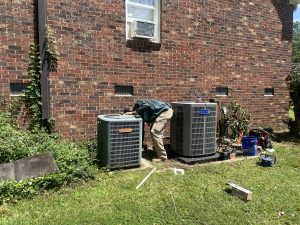
A musty smell from your air conditioner when it turns on indicates mold or mildew growing inside your system, typically in the evaporator coil, drain pan, condensate line, air filter, or ductwork. Moisture buildup in these areas creates ideal conditions for mold growth, and running your AC distributes these spores throughout your home, spreading the odor and potentially affecting indoor air quality.
Cool air from an AC unit offers wonderful relief during a hot Burlington summer. But has your AC been smelling musty when it first starts? This is a common problem that affects many homes and shouldn’t be ignored. Understanding why this happens and how to address it protects both your health and your HVAC system.
Is Your AC Smell Actually Musty or Just Dusty?
Before diagnosing mold problems, it’s important to distinguish between a musty smell and the brief dusty or burning odor many AC systems produce when first turned on for the season.
The dusty burning smell occurs when you first turn on your AC after it’s been sitting idle for weeks or months. Dust that settled on heating elements, motors, and internal components burns off when the system starts, creating a brief smell similar to burning dust bunnies. This odor typically disappears within 15 to 30 minutes of operation and doesn’t return once the system has run for a while.
A true musty smell is distinctly different. It smells like mildew, damp basements, or old wet towels. This odor persists throughout AC operation or returns every time the system starts, even after running regularly for days or weeks. The musty smell indicates active mold or mildew growth somewhere in your system, not just accumulated dust.
If your AC has a brief dusty smell when first turned on for the season but then runs odor-free, you likely don’t have a mold problem. However, if you notice a persistent musty, earthy, or mildew-like odor that continues or returns with each cooling cycle, mold contamination is the likely cause requiring attention.
What Causes the Musty Smell in Your AC?
A musty smell coming from your air conditioner while it runs can usually be traced to moisture buildup inside the system. This moisture allows mold or mildew to grow in the darkest parts of the evaporator coil, drain pan, air ducts, or air filter. As the air conditioner runs, spores from the mold and mildew fly throughout the house, and the smell quickly spreads.
Air conditioning systems naturally produce moisture as they remove humidity from indoor air during the cooling process. Under normal conditions, this moisture drains away safely through the condensate system. However, when moisture accumulates in the wrong places or drainage systems fail, mold finds the perfect environment to thrive in the dark, damp components of your HVAC system.
Burlington’s humid summer climate makes AC systems particularly vulnerable to mold growth. When outdoor humidity reaches 70 percent or higher, air conditioners work harder to remove moisture from indoor air, increasing condensation inside the system. This excess moisture, combined with dust and organic debris, creates conditions where mold can establish itself within 24 to 48 hours.
What Are the Common Causes of Musty AC Odors?
It typically comes back to mold and mildew when you smell musty odors in your home. But the exact reason why you are in this situation can vary based on which component has become contaminated.
Clogged Condensate Drain Line
The condensate drain line is responsible for moving condensation out of the system and outside of your home. This is essential for air conditioning, as the process of running an AC unit naturally leads to condensation. When this line gets clogged, standing water can provide a breeding ground for mold and mildew.
Condensate drain lines clog from algae growth, dirt accumulation, or debris that enters the system. As water backs up into the drain pan, it sits stagnant for hours or days, allowing mold to develop and multiply. The warm, dark environment inside your AC system accelerates this growth.
You can identify a clogged condensate line by checking for water pooling around your indoor AC unit, visible water in the drain pan that doesn’t drain, or the AC shutting off unexpectedly due to safety float switches triggered by standing water. A musty odor that intensifies when the AC first starts often indicates condensate drainage problems.
Dirty or Old Air Filters
It’s easy to forget to change your air filter. And, when it gets dirty, the moisture, dust, and organic material that builds up in the filter can lead to an odor in your house. Of course, all of the air running through the system goes through this filter, so it’s easy for odor to spread from this source.
Air filters trap pollen, dust, pet dander, and other particles before they enter your AC system. During Burlington’s high-pollen seasons, filters accumulate debris much faster than in drier climates. When filters become saturated with particles and moisture, mold begins growing directly on the filter material.
A clogged filter restricts airflow, causing the evaporator coil to run colder than designed and producing excess condensation that the filter absorbs. This combination of organic material and moisture creates the perfect conditions for mold and mildew to establish themselves and spread their distinctive musty odor throughout your home every time the system runs.
Contaminated Evaporator Coils
Dirty evaporator coils represent one of the most common sources of musty AC odors, yet many homeowners don’t realize this component needs regular cleaning. The evaporator coil sits inside your indoor AC unit and becomes extremely cold during operation, causing moisture from humid air to condense on its surface.
Over time, dust and debris that pass through or around air filters accumulate on the coil fins. This buildup traps moisture against the coil surface, creating an ideal environment for mold growth. Because evaporator coils operate in dark, enclosed spaces with consistent moisture, mold can colonize extensively before homeowners notice problems.
According to Darrel Honeycutt from Berico, “Dirty evaporator coils are the number one cause of musty AC smells we encounter during service calls. The coil fins create hundreds of small spaces where moisture and debris collect, and homeowners can’t see this buildup without opening the AC unit. Regular professional cleaning prevents this problem entirely.”
Damp Ductwork
Cooled air that is produced by your AC unit is spread throughout the house via a network of ducts. These ducts should be clean and dry on the inside. If there is moisture in a duct, perhaps due to a crack, mold and mildew can grow. And again, just as with the air filter, this is a place that all of the air travels through, so odors can spread quickly.
Ductwork moisture develops from several sources. Small leaks or cracks can allow humid outdoor air to enter ducts running through hot attics or crawl spaces, causing condensation on the cooler interior duct surfaces. Poorly insulated ducts experience similar condensation issues as temperature differentials create moisture inside the duct system.
In older Burlington homes, original ductwork may have deteriorated insulation or disconnected sections that allow moisture intrusion. Basements and crawl spaces with high humidity can contaminate ductwork from the outside, introducing mold spores and moisture that establish mold colonies inside the ducts.
Standing Water in Drain Pan
The drain pan catches condensation as it drips from the evaporator coil and channels it toward the condensate drain line. When drain pans develop cracks, rust holes, or when drain lines clog partially, water accumulates in the pan rather than draining away completely.
This standing water becomes a stagnant breeding ground for mold, mildew, and bacteria. The dark environment inside the AC cabinet, combined with constant moisture and organic debris, allows thick mold growth to develop in drain pans. Every time your AC runs, air passes over this contaminated water, picking up mold spores and musty odors that distribute throughout your home.
Mold in the Air Handler Cabinet
The air handler cabinet that houses your evaporator coil, blower motor, and other components can develop mold growth on interior walls and surfaces. Moisture that accumulates from condensation, minor leaks, or humidity intrusion creates conditions where mold colonizes the cabinet’s interior surfaces.
Fiberglass insulation lining some air handler cabinets absorbs moisture and provides organic material that mold consumes as it grows. Once mold establishes itself inside the cabinet, it continuously releases spores into the airstream every time the blower motor runs, creating persistent musty odors that are difficult to eliminate without professional cleaning.
Is a Musty AC Smell Dangerous?
You might be tempted to think that you could just ignore this smell and not bother with Burlington AC repair. After all, you might get used to the smell after a while. That’s not a good plan, however.
Mold and mildew spores circulating through your home’s air present real health concerns, particularly for vulnerable family members. The Environmental Protection Agency identifies mold as a respiratory irritant that can trigger allergic reactions, asthma attacks, and other respiratory symptoms in sensitive individuals.
With mold spores circulating throughout your home, your air quality will be reduced, and you or family members may start to experience respiratory symptoms. Common symptoms of mold exposure include persistent coughing, throat irritation, nasal congestion, eye irritation, skin rashes, headaches, and worsening asthma or allergy symptoms.
Children, elderly family members, and anyone with compromised immune systems, existing respiratory conditions, or mold allergies face higher risks from exposure to airborne mold spores. Even healthy adults may develop sensitivity to mold over time with continued exposure.
Also, these musty smells are pointing to something that is wrong with the system, so addressing it now can help you avoid bigger problems later. Mold growth inside your AC system indicates moisture problems that can damage components, reduce efficiency, and lead to expensive repairs if left unaddressed. Contaminated evaporator coils work less efficiently, clogged drain lines can cause water damage to your home, and severe mold contamination may eventually require complete duct replacement.
How Can You Identify the Source of Musty AC Odors?
Determining which component harbors mold growth helps you understand whether simple maintenance or professional service is needed to eliminate the odor.
Start by checking your air filter. Remove it and inspect both sides for visible mold growth, which appears as black, green, or brown spots or fuzzy patches. If the filter looks dirty, smells musty, or hasn’t been changed in over 90 days, replace it immediately and see if the odor improves after running the AC for a few hours.
Next, locate your indoor AC unit and look for signs of water damage or standing water. Remove the access panel if possible and shine a flashlight into the drain pan. If you see standing water that isn’t draining, water stains, or visible mold growth, you’ve likely identified the problem source.
Listen to your AC system operation. A gurgling sound from the drain line indicates a partial clog. Water dripping sounds inside the AC cabinet when the system isn’t running suggest drainage problems. These auditory clues help pinpoint moisture issues causing mold growth.
Check the area around floor vents for musty odors. If the smell is stronger near certain vents, those duct branches may harbor mold growth. Visible mold around vent grilles or dust buildup with a musty smell indicates ductwork contamination that requires professional cleaning.
What Can You Do About Musty AC Smells?
Some causes of musty AC odors respond to DIY maintenance, while others require professional attention to eliminate the problem safely and completely.
Replace your air filter immediately if it appears dirty or hasn’t been changed recently. Use filters rated MERV 8 to MERV 11 for residential systems, which capture mold spores effectively without restricting airflow. During Burlington’s humid summer months, check filters monthly and replace them every 30 to 60 days rather than waiting the full 90 days.
If you identify standing water in the drain pan, you can attempt to clear a clogged condensate line yourself. Locate the drain line’s outdoor termination point and use a wet/dry vacuum to suction from the exterior end for several minutes. This often clears minor clogs from algae or debris buildup.
Pour a cup of white vinegar into the drain pan to help kill mold and prevent future growth. The mild acidity inhibits mold and algae growth without damaging system components. Repeat this maintenance quarterly to keep drain lines clear.
For issues beyond filter replacement and drain line clearing, professional service becomes necessary. Cleaning evaporator coils requires special chemicals and equipment to reach all coil surfaces safely without damaging fins. Ductwork mold remediation requires proper containment, specialized cleaning equipment, and sometimes antimicrobial treatments to eliminate contamination completely.
Professional HVAC inspection in Burlington can identify hidden mold sources, assess the extent of contamination, and provide comprehensive cleaning that DIY methods cannot achieve. Technicians have tools to inspect inside ductwork, properly clean coils without damage, and verify that moisture problems are corrected to prevent recurrence.
How Can You Prevent Musty AC Odors?
Preventing mold growth requires managing moisture levels and maintaining your AC system consistently throughout the cooling season.
Change air filters on schedule based on your household conditions. Homes with pets, smokers, or family members with allergies benefit from monthly filter changes during cooling season. Set calendar reminders so this essential maintenance doesn’t get overlooked.
Schedule annual professional air conditioner service before cooling season begins. Technicians clean coils, check drain line operation, inspect for moisture problems, and verify all components function correctly. This preventive maintenance catches developing issues before they cause noticeable problems.
Keep indoor humidity levels between 30 and 50 percent. Use a hygrometer to monitor humidity and consider a whole-home dehumidifier if your AC struggles to control moisture levels during humid Burlington summers. Lower humidity reduces condensation in your AC system and throughout your home.
Ensure your AC system runs long enough each cycle to remove humidity effectively. Systems that are oversized for the home short-cycle, running briefly without adequate dehumidification time. If your AC frequently turns on and off every few minutes, consult with HVAC professionals about proper system sizing.
Clean around outdoor condenser units and keep indoor vents unblocked to maintain proper airflow throughout your system. Restricted airflow causes coils to run colder than designed, producing excess condensation that contributes to mold growth.
Frequently Asked Questions About Musty AC Smells
Is it safe to run my AC if it smells musty?
You can run your AC briefly, but you should address the underlying cause quickly. While the musty smell itself isn’t immediately dangerous, the mold spores circulating through your home can affect respiratory health, particularly for sensitive family members. Turn off the AC if anyone experiences worsening respiratory symptoms and call for professional service.
Can I clean AC mold myself?
You can replace dirty air filters and clear condensate drain lines yourself, which resolves many musty smell issues. However, cleaning contaminated evaporator coils, air handler cabinets, or ductwork requires professional equipment, chemicals, and expertise. Disturbing mold without proper containment can spread spores throughout your home and worsen air quality.
How long does it take to get rid of AC mold smell?
After addressing the source of mold growth, the musty smell typically disappears within a few hours to a few days. If you only changed the filter, odors should improve after the AC runs for 2-3 hours. Professional coil cleaning usually eliminates odors immediately. Persistent smells after addressing visible causes suggest mold in ductwork requiring professional cleaning.
Why does my AC smell musty only when it first turns on?
The strongest musty smell when your AC first starts indicates mold has grown on stationary components while the system was off. When the blower motor first engages, it disturbs and disperses concentrated mold spores that settled on coils, in the drain pan, or in ductwork. The smell may diminish as the AC continues running and the initial spore concentration disperses.
Does musty AC smell mean I need duct cleaning?
Not necessarily. Many musty AC smells originate from dirty evaporator coils, clogged drain lines, or contaminated filters rather than ductwork. If the smell persists after addressing these more common causes, or if you notice mold around vent grilles and musty odors stronger near certain vents, ductwork cleaning may be necessary.
Can a new air filter stop musty AC smell?
If the filter itself harbors mold growth, replacing it can eliminate the odor source. However, if mold has established in coils, drain pans, or ductwork, a new filter only prevents additional contamination rather than eliminating existing mold. Replace the filter first as a simple diagnostic step, then assess whether the odor improves after several hours of AC operation.
How often should I have my AC professionally cleaned?
Annual professional maintenance that includes coil inspection and cleaning prevents most musty odor issues. Homes in humid climates like Burlington, those with pets, or systems running extensively during long cooling seasons may benefit from twice-yearly service. At minimum, schedule professional cleaning every 1-2 years to maintain optimal air quality and system efficiency.
WWill UV lights prevent musty AC smells?
UV lights installed near evaporator coils can help prevent mold and bacteria growth by killing microorganisms before they establish colonies. However, UV lights work preventively rather than eliminating existing contamination. They work best as part of comprehensive AC maintenance that includes regular filter changes and coil cleaning.
Work with an Industry Leader for AC Maintenance
Call Berico today for any type of air conditioner service. Whether you need an HVAC inspection in Burlington, a repair for a system that has broken down, or comprehensive cleaning to eliminate musty odors, the professionals at Berico are up to the challenge.
Our experienced technicians understand the unique challenges Burlington’s humid climate creates for AC systems and provide thorough service that addresses both immediate problems and underlying causes. We use professional-grade equipment and EPA-approved cleaning agents to eliminate mold safely and completely, restoring your indoor air quality and system performance.
You’ll get great results, fair pricing, and a pleasant customer service experience. Don’t wait another day to address this important issue. Contact Berico to schedule your service and breathe easier knowing your home’s air quality is protected.