

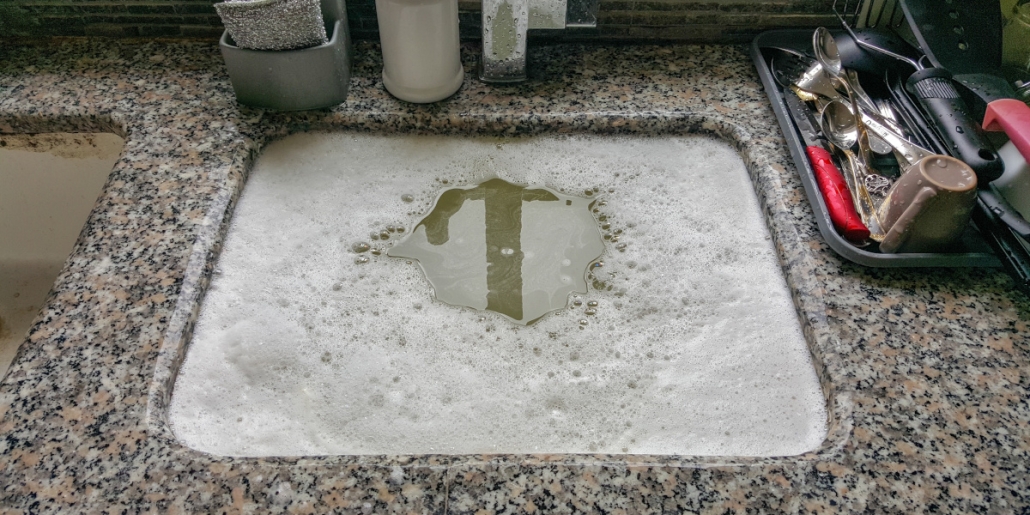
Why Does My Drain Keep Backing Up?
 Drains back up repeatedly due to clogs, the accumulation of buildup inside the pipes, tree root intrusion, sewer line issues, or improper drainage design. A single clog is a pretty easy issue to fix, but repeated backups point to a problem that should be addressed by a professional plumber.
Plumbing problems are always frustrating, and backed-up drains are near the top of the list. There are a few common reasons you might deal with this ongoing issue, and understanding which one applies to your home is the first step toward a lasting fix.
Common Causes of Backed-Up Drains
The most common causes of recurring drain backups are grease and debris buildup, hair and soap scum accumulation, foreign objects in the drain, tree root intrusion into sewer lines, and deteriorating or misaligned pipes that restrict flow.
You don’t need to be a plumber to at least consider more carefully what it is that is causing your drain to back up. This is important because you might be able to resolve the issue yourself, depending on what is going on. Of course, for more serious matters such as sewer line repair in Greensboro, you’ll need to turn to the Berico team for help.
Here are the most common culprits to investigate when your drain keeps backing up:
• Grease and debris buildup. Over time, your kitchen drain will accumulate grease and food particles that will gradually narrow the pipe and slow down the flow of water. This buildup will need to be cleared before the pipe flows freely again.
• Hair and soap scum. In a bathroom setting, it’s often hair and soap scum that cause narrowing of the pipes. Just as in the kitchen, it’s necessary to clear these blockages in order to restore proper function.
• Foreign objects in the drain. Things that aren’t supposed to go down the drain, such as paper towels, wipes, and other hygiene products, can quickly lead to a complete blockage.
• Tree root intrusion. Tree roots naturally seek out water sources, and the small amounts of moisture that escape from sewer pipe joints are enough to attract them. Once a root finds its way into a pipe, it grows and branches inside the line, catching debris and progressively restricting flow until backups occur.
• Deteriorating or misaligned pipes. In older Greensboro homes, sewer lines were often made of clay or cast iron. Clay pipes can crack and shift as soil moves. Cast iron corrodes over time. Either condition creates rough interior surfaces that catch debris and cause recurring backups even after the line is cleared.
Why Tree Root Intrusion Is Especially Common in Greensboro
Tree root intrusion is one of the most common causes of recurring sewer line backups in Greensboro because the city’s mature tree canopy means root systems are extensive, and underground sewer pipes, particularly older ones, are frequently within reach of those roots.
Greensboro is fortunate to have a rich urban tree canopy, but what happens underground is a different story. Tree roots can wrap around and even grow through vulnerable pipes. Sewer lines made of clay, which were standard in homes built through much of the mid-twentieth century, are particularly susceptible because the joints between sections allow moisture to escape, which draws roots directly to the pipe.
A drain that backs up repeatedly, is slow across multiple fixtures at the same time, or produces gurgling sounds from toilets and sinks after water is used elsewhere in the house is displaying the classic signs of root intrusion in the main sewer line. This is not a problem that a plunger or a store-bought drain cleaner will resolve. It requires professional equipment to clear and a camera inspection to confirm the scope of the damage.
“In Greensboro, we use a camera to inspect the line on almost every recurring backup call. What looks like a simple clog at the fixture level is frequently a root mass halfway down the sewer line. Once we can see what we’re dealing with, we can choose the right tool for the job, whether that’s a mechanical clearing or a repair if the pipe itself has cracked. Skipping the inspection and just snaking the line is how those calls become repeat calls.”
Adam Rhodes, Berico Plumbing Pro
Warning Signs That the Problem Is in Your Main Sewer Line
A main sewer line problem is indicated when multiple drains back up at the same time, toilets gurgle when other fixtures are used, sewage odors appear in or around the home, or wet or sunken patches develop in the yard above the sewer line’s path.
Individual drain clogs affect one fixture. A sewer line problem affects the whole system. The distinction matters because the solutions are different. If your kitchen sink backs up but everything else drains normally, the clog is likely in the branch line serving that sink. If your toilet gurgles when you run the washing machine, or if water backs up into the tub when you flush, the problem is further down in the main line.
Other warning signs of a main sewer line issue include foul sewage odors coming from drains or from the yard, patches of unusually green or wet grass over the sewer line’s path to the street, and a drain that clears briefly after snaking but backs up again within days. Any of these signs warrants a camera inspection before more snaking is attempted.
Why Recurring Drain Issues Should Get Your Attention
Recurring drain backups that keep returning after clearing are a sign that the underlying cause has not been fully addressed, and delaying a proper diagnosis allows the problem to worsen, potentially leading to pipe damage, sewage backups into the home, or costly sewer line repairs.
When you notice that the same drain continues to get clogged over and over, that should serve as a warning sign that something has gone wrong and it’s not being fully fixed. Even if you partially clear the drain to let it flow for a while, the fact that the backup keeps returning speaks to a lingering problem. Getting a plumber to fully complete the fix is the best way, in most cases, to leave these struggles in the past.
Why Chemical Drain Cleaners Make the Problem Worse
Chemical drain cleaners contain caustic acids that can damage PVC pipes and accelerate corrosion in older metal plumbing, making them a short-term fix that often worsens the underlying pipe condition and contributes to future leaks and backups.
The temporary relief that a chemical cleaner provides is real, but so is the damage it does over repeated use. In older Greensboro homes with cast-iron or galvanized steel drain lines, the caustic chemistry in liquid drain cleaners speeds up the interior corrosion that is already occurring naturally with age. In homes with PVC pipes, the heat generated by some chemical reactions can soften joints and fittings. Neither outcome helps with the recurring backup problem, and both make future repairs more complicated.
A mechanical approach, using a drain snake for simple clogs or professional sewer line cleaning for more stubborn buildup, addresses the blockage without attacking the pipe itself. For the same reason, Berico’s plumbers avoid recommending chemical cleaners as a maintenance solution even when they appear to work temporarily.
Try a Few DIY Solutions
While it will often be necessary to reach out to the plumbers at Berico for help, there are a few things you can try on your own.
Use a plunger to dislodge the blockage in the drain
• Try a drain snake to pull out hair or other debris
• Run hot water to help break up grease buildup in the kitchen sink
• Remember to avoid the use of chemical cleaners, as they may do significant damage to your pipes over time
These steps are appropriate for a single, isolated backup that has not recurred before. If the drain backs up again within a few weeks of being cleared by these methods, or if multiple drains are slow at the same time, the problem has moved beyond DIY territory, and a licensed plumber should evaluate the system.
Schedule an Appointment with a Berico Plumber Today
Ready to book an appointment for drain cleaning in Greensboro? Whether you’re dealing with a recurring backup or a more serious issue in the main line, Berico’s licensed plumbers can diagnose it and fix it right. Place a call today to schedule your appointment.
Berico has served Greensboro and Guilford County for more than 100 years. The team’s licensed plumbers are equipped with camera inspection tools and the field experience to distinguish a simple clog from a sewer line problem that needs a more comprehensive fix. Whether the drain backing up is a nuisance or a sign of something more serious underground, Berico can diagnose it accurately and resolve it completely.
Frequently Asked Questions About Recurring Drain Backups
Why does my drain back up again right after I just cleaned it?
A drain that backs up quickly after being cleared usually means the root cause was not fully addressed. Snaking a drain removes an immediate blockage but leaves grease coating, soap scum buildup, or root debris on the pipe walls. Those residuals continue to accumulate and create the next backup. Professional sewer line cleaning or a camera inspection can identify and resolve the underlying issue.
Can tree roots cause my drain to back up?
Yes. Tree root intrusion is one of the most common causes of recurring sewer line backups, especially in homes with older clay or cast-iron sewer lines. Roots enter through pipe joints, grow inside the line, and catch debris until the line is partially or fully blocked. Camera inspection is the only reliable way to confirm root intrusion and assess the extent of the damage.
Are chemical drain cleaners safe to use regularly?
No. While chemical drain cleaners can provide temporary relief, repeated use damages both PVC and metal pipes from the inside. They corrode cast-iron and galvanized lines faster and can soften PVC joints over time. A mechanical solution, such as a drain snake or a professional cleaning for more serious buildup, is safer for the long-term health of your pipes.
How do I know if the problem is in the sewer line or just a single drain?
If only one drain is slow or backing up and all others work normally, the clog is likely in the branch line serving that fixture. If multiple drains are slow, if toilets gurgle when other water is running, or if sewage odors are present, the problem is in the main sewer line. A camera inspection can pinpoint exactly where the blockage or damage is located.


Leave a Reply
Want to join the discussion?Feel free to contribute!