Why Do My Light Bulbs Keep Burning Out Too Quickly?

It’s particularly frustrating to have your light bulbs burning out one after the next. Sure, changing a light bulb is pretty easy, and they don’t cost that much to replace, but you still don’t want to be going through the hassle over and over again. Does it seem like yours are burning out faster than they should in your home in the Greensboro area? Learn more below about why that may be the case and what can be done to improve the situation.

If there is any type of electrical repair needed in your house, make sure to hire a qualified and experienced partner for the job. That partner is Berico, and you can schedule your first appointment by calling today to speak with a member of their friendly team.


Common Reasons for Bulb Failure

A few different types of issues can lead to light bulb failure. The first is high voltage. If your home’s electrical system is delivering more voltage than the bulbs are rated for, the internal components can burn out much faster than expected. If this is at the heart of the problem, correcting the voltage issue should prevent future light bulbs from burning out too quickly.

Another possibility is loose connections in the light fixture. Loose connections can lead to an electrical current that is flickering or arcing. This inconsistent flow of power will stress the bulb and significantly shorten its lifespan. Also, bulbs that experience a buildup of excessive heat may also fail prematurely. This often happens in enclosed fixtures where the heat doesn’t have anywhere to escape. Both the bulb and socket can be damaged over time if that trapped heat builds up to harmful levels.


Using Old Bulbs

Are you still using traditional incandescent bulbs? The issues you are dealing with could be as simple as using these old-style bulbs, which had a much shorter lifespan than modern LEDs. Making the switch to LEDs will cost a bit of money upfront, but that investment will be paid back over time as you no longer have to replace your bulbs so often. Not only do the bulbs themselves last longer, but LED lights produce less heat, so they don’t do damage to your fixtures.


When to Call a Professional

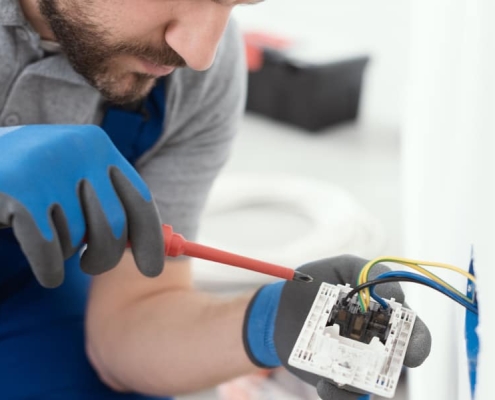
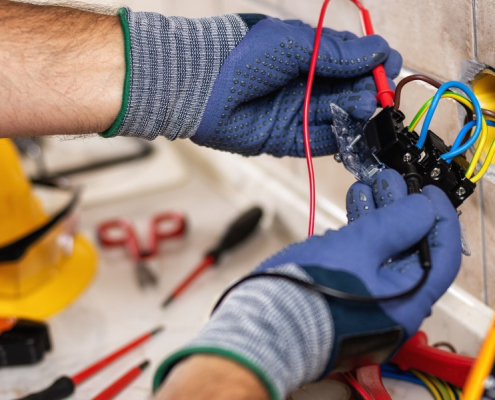
If you have already switched to LEDs, and you’ve made sure that your bulbs are tightened properly in the fixtures, it might be time to have the electrical system inspected. An electrician can evaluate the whole system to figure out if there are wiring issues, voltage fluctuations, or overloaded circuits that are blowing out your lights.


Make Quick Work of Electrical Projects

You don’t have to deal with lingering electrical problems for long. Whether you need wiring repair, recessed lighting fixed, or anything else related to your electrical system, make sure that Berico is your chosen contractor. The Berico name is one that has been trusted throughout Greensboro for over 100 years, and you’ll soon learn why. Call now!

What’s the Ideal Propane Tank Size for a Whole-Home Furnace?

If you run the furnace that keeps your home warm in the winter on propane, you need to make sure you always have propane on hand when it is needed. That means having a propane tank. One of the biggest decisions when adding a propane tank is determining how big that tank should be. There are a few factors involved in that choice, so this page will walk through the process and help you understand which option is going to be best for you.

Hoping to work with a proven contractor to complete a stress-free propane tank installation in the Greensboro area? Berico should be your first call. Get in touch now to learn more about the process and to schedule an appointment.


How Propane Tank Sizes Are Measured

Propane tanks are typically measured in gallons. While there are a range of options available for residential properties, the two most common sizes for whole-home heating are 500-gallon and 1,000-gallon tanks. A 500-gallon tank is typically the minimum size recommended for homes using propane as their primary heating source, while larger homes or those with multiple propane appliances often benefit from a 1,000-gallon tank.

It’s important to note that propane tanks won’t hold quite as much propane as their actual size would indicate, due to safety limitations. For example, a 500-gallon tank will only hold around 400 gallons, as the rest of the space in the tank is kept open for safety (in case the propane gas expands). That much propane should still be able to get an average-sized home through a North Carolina winter comfortably.


Factors That Affect the Right Size Tank for Your Home

As you might imagine, a propane tank that is appropriate for one home might not be right for the next. There are a number of factors to look at when trying to figure out what size propane tank would be best for your needs, including the following points.

  • Home size. Of course, this is the place to start. When all other things are equal, a larger home is going to need a bigger propane tank than a smaller home.
  • Usage patterns. Some people like to keep their homes warmer than others. Think about how hard you run your furnace during the winter months to determine how much propane you are going to require.
  • Number of propane appliances. This is another big variable. If you will be connecting multiple systems to the propane tank, it’s going to drain faster, and you’ll want to consider going with a larger tank.
  • Refill preferences. If you don’t mind having the tank refilled regularly, you can go with a smaller tank and schedule deliveries more often. On the other hand, if you want to have enough propane for the whole winter, a bigger tank is going to be necessary.


Make a Long-Term Plan

Having a propane tank installed is a great first step, but that’s not the end of the story. You’ll also need reliable propane delivery to refill the tank at regular intervals to keep your furnace working throughout the winter. Many homeowners find it helpful to set up automatic delivery service, where your propane supplier monitors your usage and schedules refills before you run low—one less thing to worry about during the busy winter months. Fortunately, Berico is also your best choice for that task, so only one partner is needed to manage all sides of this project. Call Berico today to get started!

What Every Homeowner Should Know About Carbon Monoxide and Heating Safety

Living in a home that can be heated with just the push of a button is one of the wonders and truly great features of the modern world. The comfort that today’s HVAC systems provide is incredible, but you always have to keep safety in mind while using any type of heating equipment. This page will take a closer look at the issue of carbon monoxide and what type of risk it can pose to you and your family.

When the time comes to hire an HVAC company for any type of heating system repair or plumbing or electrical work in your home in the Greensboro area, make sure Berico is your first call. The Berico team will never let you down!


Why Carbon Monoxide is Dangerous

Carbon monoxide is a colorless, odorless gas. Since it doesn’t smell and can’t be seen with the naked eye, you won’t know that it may be accumulating in your home while your heater is running. This is when the situation can become dangerous. It’s only when carbon monoxide accumulates in an enclosed space that human health can be put at risk.

There are sometimes early signs of carbon monoxide exposure, including headaches, dizziness, nausea, and confusion. High concentrations of exposure can even be fatal. The seriousness of the potential harm is why everyone should be aware of carbon monoxide and how to prevent a dangerous situation from arising.


How to Prevent Carbon Monoxide Buildup

Without a doubt, the starting point on this matter is to have a CO detector installed on every level of your home. With a functioning detector in place, the alarm will sound if CO levels rise to an unhealthy point. This will enable you to get everyone out of the house and call for help before the situation gets worse. Of course, be sure to replace the batteries in these detectors regularly and test them periodically.

It’s also important to have your heating system maintained annually. During an inspection by a professional technician, any developing problems will be found and fixed before they get worse. Key components like the heat exchanger, flue pipes, and combustion chamber will all be inspected for any cracks or leaks that could allow CO to escape. Don’t make the mistake of thinking that just because your furnace is running, it must be in good condition and working properly. That’s not necessarily true, so scheduling furnace maintenance at least once per year is an excellent practice.


Comfort and Safety Go Hand in Hand

Paying attention to furnace safety tips is an important part of living in any home. Fortunately, staying safe around a furnace is actually pretty simple, and you can put protections in place to make sure that nothing goes wrong. If you need help with making sure your furnace is safe, or if any other type of HVAC project arises, reach out to Berico for assistance.

What Causes Outlets to Feel Warm to the Touch?

The outlets in your home play a critical role, although they might be taken for granted most of the time. Access to electricity simply by plugging in a device is a wonder of the modern world in many ways. Of course, you always want to make sure you are accessing that electricity safely, and if one of your outlets feels warm to the touch, there may be an underlying issue that requires closer inspection.

Are you dealing with electrical problems in your home in the Greensboro area? No matter what issues have popped up, the Berico team is ready to solve them. Get in touch today to schedule an appointment.


A Little Warmth May Be Normal

First, it’s important to make sure there is actually a problem before going any further. Sometimes, an outlet will feel slightly warm while it is being used. For example, if you have a phone charger plugged into an outlet, there will be a bit of warmth, and that’s probably okay. As long as the outlet is not hot or discolored, things may be fine.

It’s when the outlet is hot even when nothing is plugged in, or when it gets hot enough that you can’t comfortably touch it, that you’ll need to stop using the outlet and get help for the problem.


Common Causes of Overheated Outlets

A few different underlying reasons can be at work here. Most of these issues point to a safety hazard that should be addressed as soon as possible.

  • Overloaded Circuit. There is a maximum capacity for every type of electrical circuit. If you have too many devices plugged into a single circuit, an outlet on that circuit may begin to feel hot as a result. When possible, don’t use multiple high-power devices like toasters and microwaves on the same circuit at the same time.
  • Loose Connections. There are connections inside the outlet box that allow everything in the electrical circuit to work as it should. If one or more of those connections has become loose, the poor connections can cause heat to be generated, and in some cases, an electrical fire will be the result.
  • Faulty Outlet. Sometimes, it’s simply a worn-out outlet that is to blame for this problem. If you live in an older home and the outlets have never been replaced, it’s possible that you need to have new ones installed to fix this issue and use your circuits safely.

If you are worried about the heat that is being put off by one of your outlets, stop using it and call for help from a professional electrician like those on the Berico team.


Play It Safe on Electrical Work

It’s never a good idea to take chances when it comes to residential electrical services. You always want to work with a qualified, licensed electrician to be sure that the work is done right and everything is up to code. With that in mind, call Berico now for assistance and solve any electrical issues that have been plaguing your home.

How Often Should You Replace a Furnace Filter in Winter?

It’s no secret that your furnace has to work hard in the winter months. When the nights get chilly, you want to have a quality furnace waiting to keep you and your family warm. Of course, that furnace needs to have a filter in place, but how often should you change it? This article will look at that important question.

While changing a furnace filter is something that you can do on your own, Burlington furnace repair should be left to the pros. When a fix is needed, get in touch with the Berico team to schedule an appointment.


The Role of Your Furnace Filter

The job of your furnace filter is a simple but important one. Its primary role is to trap dust, dirt, pet hair, and anything else floating in the air before it can enter the HVAC system. This keeps your home’s air cleaner and protects the internal components from damage over time. This is a great way to protect your furnace, but the filter is going to gradually clog up as it is used, which is why replacing it regularly is such an important part of home maintenance.


A Good General Rule

As a rule of thumb, you should be replacing the filter that serves your furnace once every one to three months. If you keep up with that cadence, you’ll never fall so far behind that the current filter is packed with dust and debris and doesn’t allow the system to get the airflow it needs to work properly.

Of course, one to three months is a relatively wide range, so how do you know whether you should change it on the sooner or later side? Here are some factors to consider –

  • If you have pets, hair and dander will build up quickly in the filter, so you’ll want to change it more frequently in that case.
  • If you or someone else in your home suffers from allergies, it’s a good idea to change your filter a little more often so you can keep the air as clean as possible and reduce the symptoms that are experienced.
  • Filter Type. When using a basic fiberglass filter, you should stay closer to the one-month interval. However, with a pleated or high-efficiency filter, you can go closer to three months without any trouble.
  • Home Occupancy. How many people live in your house? More people tend to create more dust and debris, so a busy home with many occupants should have the filter swapped out more regularly.


Stay Ahead of This Task

Given how easy it is to change a furnace filter, and how affordable replacement filters are to purchase, there really isn’t any reason to fall behind on this key maintenance point. In fact, Berico has made it even easier to stay on top of filter changes through our partnership with Filter Fetch. This convenient service delivers professional-grade filters directly to your doorstep, so you never have to make a special trip to the store or worry about buying the wrong size. You’ll receive automatic reminder emails when it’s time to change your filter based on your usage patterns, taking all the guesswork out of the process. Plus, you’ll have access to friendly toll-free support from filter experts who can help you select the right filter for your system and answer any questions you might have. (Learn more about our filter delivery service and use code C4Q2 for special pricing:  Filter delivery service.)  For any furnace repair or maintenance needs beyond swapping a filter, call Berico for help!

Can Closing Vents Help Heat My Home Faster?

On a cold morning in Greensboro, you want your home to heat up as fast as possible. Even a good HVAC system can feel like it takes a while for the home to reach a comfortable temperature, so anything you can do to speed up the process would be a welcome step in the right direction. Toward that end, does it help to close some of your vents? This article will explore that idea.

If you would like to work with an HVAC company in the Greensboro area that helps you get excellent results with great pricing, be sure to call Berico first. With decades of experience and a team of talented technicians, Berico is the easy choice for furnace installation and all other HVAC jobs and now including plumbing and electrical services.


A Reasonable Theory

The idea behind closing vents in order to heat your home up faster is reasonable enough on the surface. Basically, the thinking is that by closing vents in rooms that aren’t being used, more warm air will be directed toward the rooms with open vents, and those spaces will heat up faster. Makes sense, right?

Not so fast. The HVAC system that serves your home is designed to distribute air evenly throughout the house through a network of ducts. If you close off some of the vents, the balance of air pressure is thrown off, and things usually don’t work out too well from there. And to be fair, closing one or two vents in rarely used spaces isn’t typically harmful—but the problems begin when you close too many.


What Actually Happens

Closing one or two vents in rarely used rooms typically won’t cause problems for your HVAC system. However, when you close too many vents, issues start to arise. Your blower fan doesn’t know that you’ve closed multiple vents—it just keeps working as usual, pushing the same volume of air through the system. This creates excess pressure in the ductwork, which can force air out through small leaks or cracks that would otherwise go unnoticed.

The increased pressure also makes your blower motor work harder than it’s designed to, leading to premature wear on this critical component. Additionally, restricted airflow can cause your heat exchanger to overheat, potentially triggering safety shutoffs and reducing the lifespan of your furnace.

Ultimately, closing too many vents causes your system to work less efficiently, resulting in higher energy bills without any improvement in heating speed. In fact, the rooms with open vents may actually heat up more slowly as the system struggles against the artificial pressure you’ve created. The bottom line: your house won’t heat up any faster than if you had left all of the vents open, and you may be setting yourself up for costly repairs down the road.


Some Better Options

So, if closing a few vents isn’t going to help you heat up the house any faster, what can you do? Here are some ideas –

  • Replace your air filters to provide the system with ample airflow
  • Have the ducts sealed and insulated to make sure the warm air gets to where it is supposed to go
  • Check your thermostat settings to dial in the timing of when your system runs and what temperature it tries to reach
  • Schedule periodic furnace maintenance to make sure the system is running as efficiently as possible
  • If certain rooms are consistently too warm or too cold, consider having a zoning system installed rather than simply closing vents


Reach Out Today

There are many possible ways to improve the heating performance you enjoy in your home, and most of them start with a phone call to the best provider of HVAC Greensboro has to offer. The Berico name has been trusted by generations, and you’ll soon see why!

How Can I Stop My Kitchen Faucet from Dripping?

There are few things as annoying in your home as a faucet that just won’t stop dripping. No matter how tightly you turn the handle on the faucet, it just seems that a little bit of water is going to keep dripping out. What’s going on? Why is this happening? The information below will help to shine some light on the situation.

If you’d like to get help with your kitchen plumbing in the Greensboro area, call Berico now. For a dripping faucet or any other kind of plumbing issue, the experts at Berico will get you back on track right away.


Common Causes of a Dripping Faucet

You won’t be able to fix a dripping faucet until you understand why it is dripping in the first place. There are multiple different issues that can lead to a persistent leak, including:


  • Worn washers. If you have a traditional compression faucet, the washers that keep water where it is supposed to be can wear down over time and cause a leak.
  • Damaged O-rings. In cartridge and ball faucets, O-rings can loosen or crack over time, also leading to a leak.
  • Cartridge issues. Many of the faucets used in modern homes, or replacement faucets in older homes, use cartridges to regulate water flow. If the cartridge becomes faulty, water can leak until it is replaced.


Why Fixing a Dripping Faucet is Important

Can’t you just ignore a dripping faucet and worry about dealing with other things in your life instead? Not really. You might be surprised to find just how quickly a small drip can add up over time, leading to larger water bills month after month. There is also the matter of the distracting noise to consider, especially at night when everything else is quiet. If you take the step to have the faucet fixed as soon as possible, you can put that irritating noise to rest and save some money on your upcoming utility bills.


One Simple DIY Tactic

If you are comfortable with basic repairs and have a few simple tools around the house, you can try to fix your faucet as a DIY project. The first step is to determine what kind of faucet you have in your sink. Is it a compression, ball, or cartridge style? Get any information you can off the faucet and look it up online for help. If you can find the manufacturer’s instruction manual, replacing a washer or O-ring, for example, is a doable job for someone who is experienced with this type of work. Be sure to turn off the water supply before attempting any work. Of course, if you are confused by the process, or find that the leak is the result of something more complex, calling a professional for help is the best choice.


Plumbing Hassles Put to Rest

Plenty of different plumbing problems have the potential to throw your life in Greensboro off track. Whether you have a dripping faucet, a blocked drain, or another frustrating plumbing problem, the solution is only a phone call away.

Signs Your Furnace Needs Professional Attention Before Cold Weather Hits

Living in the Greensboro area, we don’t have to deal with brutally cold weather as much as our neighbors to the North. That doesn’t mean it never gets cold, however. There are plenty of chilly nights ahead during the winter months, and preparing your furnace for the work it will need to do is an important step for any homeowner. Specifically, you’ll want to watch for the signs listed below and call to schedule Greensboro HVAC work if they are noted in your system.

For furnace repair or maintenance that will exceed your expectations and deliver great value for your money, Berico is the right choice. Call today to schedule your first appointment.


Uneven Heating Throughout the Home

Did you notice toward the end of last winter that some of your rooms were getting warmer than others? A bit of variance in temperature throughout the house is to be expected, but if there are dramatic differences from one place to the next, that’s a sign of a furnace that needs service or repair. There could be a problem with the blower motor, for example, or it might be that the thermostat needs to be replaced.


Loud Noises Coming from the Furnace

Your furnace will make some noise as it runs, of course, but those noises should be relatively quiet and consistent. If there are loud, unpredictable sounds coming out of the furnace, you’ll want to have that problem looked at by the Berico team. It’s worth investigating the problem now, even if the furnace is still working, as those sounds could point to an upcoming breakdown. Many possible reasons for the noises exist, including loose parts, worn belts, and ignition problems.


Rising Energy Bills

This is a secondary sign that there is something going on with your furnace. Have you noticed that your utility bills keep climbing winter after winter? The underlying rates for energy might be going up a bit, but large jumps in your bill are likely related to a furnace that is getting less efficient as it ages. Proper servicing can turn back the clock and get the furnace to perform closer to its previous levels.


Furnace Age

Sometimes, the only thing you need to know is that your furnace is getting old. If the same unit has been serving this home for a decade or more, it’s likely time for either some detailed maintenance or a replacement unit. You can talk to the Berico team about whether it would make more sense to repair or replace the furnace at this time.


Get Started Today

You don’t want to be behind schedule in getting your furnace the help it needs. For one thing, you could end up with some pretty cold nights before it gets fixed. Also, heating and air contractors can get rather busy once winter sets in, so it’s good to stay ahead of the game. Berico is an industry leader in the Greensboro area for a reason, so get in touch now for the help you need.

Why Propane Heating is Ideal for Rural Homes

There are many possible energy sources that can be used in the modern world to heat a home. Each comes with a set of benefits, but for a rural home, it’s hard to imagine a better choice than propane. If you are either building on a rural property or buying an existing home off the beaten path, deciding what type of fuel you will use is an important choice. Let this article make the case for going with propane over the alternatives.

If you do opt for propane, setting up reliable propane delivery will be one of your first projects. For that, there is no better choice than Berico. Reach out today to schedule your first delivery or ask any questions that you have.


Propane Delivers Consistent Heat

Perhaps the best reason to use propane while living in a rural location is the consistent, reliable heat that it provides. Propane is known to produce hotter air than electric heat, which is great for those cold nights in the winter when it can be a struggle to keep the house comfortable. Anyone who has been living in a rural environment and hasn’t been happy with their electric heating performance will love the upgrade that propane delivers.


Excellent Efficiency

You don’t want to spend any more on heating fuel than is absolutely necessary. Fortunately, propane furnaces today are incredibly efficient, meaning you won’t be wasting much energy at all while heating your rural home. This is another point where propane stands out as a winner when compared to electric heat. The inefficiency of electric heat is well-known, and much of the energy you are paying for with that type of heater will simply be wasted.


A Clean Option

For those who are concerned with their impact on the environment, propane is a solid pick. Propane is one of the cleanest-burning fuels available for heating purposes. It doesn’t leave a residue when it burns, and it produces only minimal greenhouse gases. You can be happy about the fact that using propane is a safe choice for both your family and the environment around you.


Reliable During a Power Outage

Losing power is more common in rural settings than it is in the city. When that happens, electric furnaces immediately stop working. Not so with propane. As long as the tank has propane, the furnace can keep running and will keep you warm. If you don’t want to worry during the next storm about whether or not the heat will stay on, simply go with propane as your chosen option and know that you’ll be nice and warm.


Work With Berico for Great Results

You don’t want to run out of propane in the middle of a cold winter. With Berico on your side, that simply won’t happen. As a leading supplier of propane in Greensboro, and with additional services available like propane tank installation, the Berico phone number (336) 273-8663 should be saved in your phone. Don’t wait any longer to get started!

How Do I Test My Furnace Before Winter?

Once winter arrives in the Piedmont area, your furnace will become perhaps your most important home appliance. Getting good performance from the furnace all winter long will keep your home comfortable and allow you to enjoy time with family and friends. If you want to make sure the furnace is ready to get the job done, use the information below to prepare properly.


As a long-time leader in Eden furnace repair, Berico is the right choice when you have any type of furnace maintenance project on your agenda. Just call the Berico team at your convenience to get started.


Start with a Visual Inspection

One of the early steps you can take is to look at your furnace and the area around it. Does anything appear to be broken or out of place? You don’t need to be an expert to take this step, as any major problems would be pretty obvious to the average person. If anything has been stored near the furnace during the summer, clear those items away and make sure the system has plenty of room to breathe.


Change the Air Filter

It’s always important to make sure your HVAC system has a fresh air filter regularly. Before the winter weather settles in and your furnace starts working day after day, add a fresh filter to the system and throw out the old one. New air filters are very affordable, and changing them out takes just a matter of minutes. Pay attention to how this new filter accumulates dirt and replace it proactively to maintain quality performance.


Test the Thermostat

You always want to know that your thermostat is doing its job and sending the right messages to the furnace. So, click it over into “Heat” mode and turn the temperature up slightly higher than the current room temperature. Does the furnace kick on immediately? If so, you can feel good about how the thermostat is working. If not, you may need to connect with an HVAC company to take a closer look.


Start Using It Early

There is no reason that you have to wait until deep into the winter to turn your furnace on and start using it. As soon as there is a chill in the air in the evening, let your furnace work and take note of any problems that it encounters. This way, if there is something wrong, you’ll have time to get it fixed before winter arrives fully and the weather is downright cold at night.


It’s Never Too Early to Prepare

Sure, it might seem a little early to start working on your furnace while the temperatures outside are still on the warm side. But winter can come in quickly, and you want to be ready. As proven HVAC contractors in the region, Berico will never let you down on any furnace project. Reach out now to learn more or to have your furnace tuned up before the winter cold sets in.