

Why Do Some Homes Have a Sump Pump and Others Don’t?
Quick Answer: Whether a home needs a sump pump depends on foundation type, the local water table, soil drainage, and lot grading. A home with a basement or crawl space in an area

prone to groundwater intrusion benefits from a sump pump, while a slab-on-grade home or one on a well-drained lot often does not need one. In the Burlington area specifically, crawl space foundations are at least as common as basements, so crawl space sump pump needs deserve just as much attention as basement ones.
Many homes in the Burlington area have sump pumps, but not all of them. Understanding why comes down to a handful of specific factors about how and where a home was built, which makes it much easier to know what to expect before calling a plumber for help.
The Many Variables in Sump Pump Planning
Whether a home in the Burlington area needs a sump pump depends on several variables working together: foundation type, the local water table, soil drainage characteristics, and lot grading.
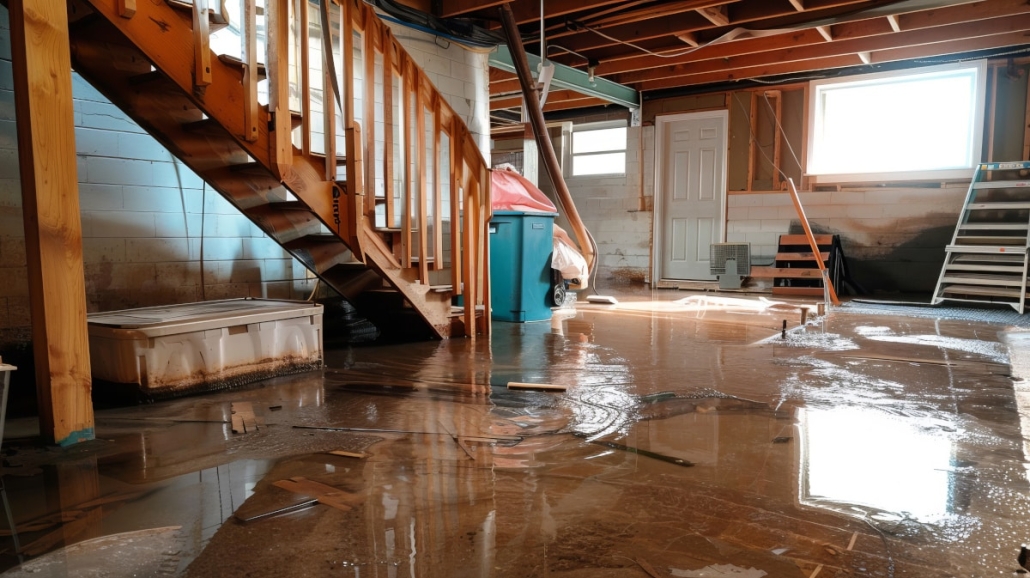
A home with a basement or crawl space located in an area prone to groundwater intrusion benefits significantly from a sump pump. A slab-on-grade home, or a house on a well-drained lot, usually does not need one. These factors do not act alone. A home on a good lot with poor grading can still see water problems, just as a home in a naturally wet area can sometimes avoid them with the right site preparation.
Basements vs. Crawl Spaces: Why This Distinction Matters in the Burlington Area
Crawl space foundations are at least as common as basements throughout the Burlington area and the broader Piedmont region, which means crawl space sump pump needs deserve just as much attention as basement ones, not an afterthought.
A sump pump installed in a crawl space works on the same basic principle as one in a basement, but the lower clearance typically means the pump, basin, and discharge line have to be positioned and serviced differently. Groundwater and runoff behave similarly under either foundation type, following the grading and soil conditions around the home. A home built on a crawl space is not automatically at lower risk than one with a basement simply because there is less usable space below the living area. The water table and soil drainage conditions matter just as much either way.
What a Sump Pump Actually Does
A sump pump sits in a pit called a sump basin, dug at the lowest point of a basement or crawl space, and waits for water to arrive before pumping it away from the home.
When groundwater or runoff accumulates near the foundation, it drains into the basin and gradually gets deeper. Once that water reaches a set level, it activates the pump and moves the water away from the home through a discharge line. The goal of this system is to make sure the water never reaches a level where it can enter the living space or damage the foundation, whether that space is a finished basement or an unfinished crawl space.
Signs a Home May Need a Sump Pump
White, chalky mineral deposits, a musty smell, and visible foundation cracks are the clearest signs that a home may need a sump pump even if it has never had one installed.
- White, chalky mineral deposits left behind when water evaporates from concrete surfaces.
- A musty smell coming from the basement or crawl space, which can indicate mold or mildew developing due to consistently excess moisture.
- Visible cracks in the foundation, which can indicate water is getting closer than it should to impacting the living space above.
A musty crawl space in particular is worth taking seriously beyond the smell itself. Air from a crawl space can migrate into the living space above through gaps, ductwork, and general air movement in the home, a phenomenon commonly called the stack effect. That means a moisture problem below the floor is not necessarily contained down there. It can affect indoor air quality throughout the house.
What an Experienced Plumber Checks During an Evaluation
An experienced plumber evaluates foundation type, existing moisture evidence, and grading around the home before recommending a sump pump, since a basement and a crawl space call for somewhat different installation approaches.
“The evaluation looks a little different depending on whether it’s a basement or a crawl space. In a crawl space, I’m working with a lot less room, so basin placement and access for future maintenance matter more than they might in a basement. But the underlying question is the same either way: is water actually getting in, and where is it coming from. That answer drives the whole recommendation.”
Adam Rhodes, Expert Plumber
Keeping a Sump Pump Ready When It’s Actually Needed
Routine maintenance, including checking the discharge line for blockages and confirming the float switch moves freely, is what keeps a sump pump ready to work during the storm that actually calls for it.
A discharge line that has become blocked by debris, or frozen shut during an unusually cold stretch, can prevent a sump pump from moving water away from the home even if the pump itself is functioning correctly. The float switch, which is what tells the pump when to turn on, can also become stuck or coated in sediment over time, particularly in a system that has been running for several years without attention. A brief periodic check of both components is a simple way to catch a developing problem before it turns into a home with an inoperative sump pump during the exact storm it was installed to handle.
Battery Backup and Reliability Considerations
A sump pump only works when it has power, which is why a battery backup system is worth considering for any home that depends on one, particularly during the kind of storms that are most likely to cause groundwater intrusion in the first place.
Heavy storms are a common cause of both flooding risk and power outages at the same time, which is exactly the scenario where a primary sump pump without backup power is most likely to fail when it is needed most. A battery backup system keeps the pump running for a period of time even if the power goes out, closing that specific gap. This is worth discussing during any new sump pump installation, rather than assuming the primary pump alone will be enough to handle every situation.
Turn to Berico as Your Trusted Plumber
Looking for a plumber in Burlington to help with sump pump installation and repair? Pick up the phone and call Berico now to get started. Berico can handle all types of plumbing repair in Burlington, for both basement and crawl space homes, and many other projects, so feel free to call no matter what is on the agenda.
People Also Ask: Sump Pumps in Burlington
Do crawl space homes need a sump pump as much as basement homes?
Yes. Crawl space foundations are at least as common as basements in the Burlington area, and groundwater and runoff behave similarly under either foundation type. A home is not at lower risk simply because it has a crawl space instead of a basement; the water table and soil drainage conditions matter just as much either way.
What are the clearest signs a home needs a sump pump?
White, chalky mineral deposits on concrete, a musty smell in the basement or crawl space, and visible foundation cracks are the clearest signs. Any of these on their own is worth a professional evaluation, and more than one appearing together makes the case even stronger.
Can a musty crawl space affect air quality inside the rest of the house?
Yes. Air from a crawl space can migrate into the living space above through gaps, ductwork, and general air movement, a phenomenon known as the stack effect. This means a moisture problem below the floor is not necessarily contained there and can affect indoor air quality throughout the home.
What determines whether a specific home needs a sump pump?
Foundation type, the local water table, soil drainage characteristics, and lot grading all play a role. A home with a basement or crawl space in an area prone to groundwater intrusion generally benefits from a sump pump, while a slab-on-grade home or one on a well-drained lot often does not need one.
Does a sump pump installation differ between a basement and a crawl space?
The basic principle is the same, but the lower clearance in a crawl space typically means the pump, basin, and discharge line have to be positioned and serviced differently than they would be in a basement. A plumber evaluates the specific space before recommending an installation approach.
Is a battery backup necessary for a sump pump?
It is worth strongly considering, since a sump pump only works when it has power, and heavy storms are a common cause of both flooding risk and power outages at the same time. A battery backup keeps the pump running temporarily during an outage, addressing exactly the scenario where a primary pump alone is most likely to fail.
Can a slab-on-grade home ever need a sump pump?
It is less common, since slab-on-grade construction does not have the below-grade space that basements and crawl spaces have, but site-specific drainage issues can still create a need in some situations. A professional evaluation of the specific lot and grading can determine whether this applies to a particular home.
How often should a sump pump be tested?
Testing a sump pump periodically, such as by pouring water into the basin to confirm the pump activates and drains properly, helps catch a failing pump before it is actually needed during a storm. A professional inspection as part of routine plumbing maintenance can also catch issues that a simple test might miss.
What happens if foundation cracks are ignored instead of addressed?
Foundation cracks tend to allow more water intrusion over time rather than resolving on their own, and continued water exposure can worsen structural issues in addition to the moisture problems already present. Addressing the underlying water issue, which may include a sump pump, is generally more effective than repairing cracks without addressing why water is reaching the foundation in the first place.
Should a home without any current water issues still consider a sump pump?
It depends on the same variables that apply to any home: foundation type, water table, soil drainage, and grading. A home with no current issues but conditions that make groundwater intrusion likely over time may benefit from proactive installation rather than waiting for a problem to develop.


Leave a Reply
Want to join the discussion?Feel free to contribute!