
How Do I Know if My Air Conditioner Needs Service?
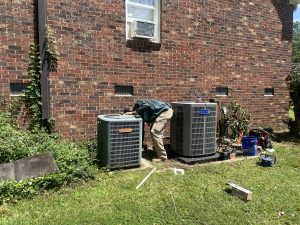
Your air conditioner needs service if you notice weak airflow, strange noises, higher energy bills, frequent cycling, warm air instead of cold, water leaks, unusual odors, or if it hasn’t been professionally serviced in the past 12 months. Additionally, all AC systems benefit from annual preventive maintenance regardless of whether obvious problems exist, as regular service prevents breakdowns, maintains efficiency, and extends your system’s lifespan.
Understanding both the warning signs of AC problems and the value of preventive maintenance helps you make informed decisions about your system’s care. Whether your AC is showing symptoms of trouble or simply due for routine service, knowing when to call professionals protects your comfort and your investment.
Why Annual AC Maintenance Is Essential
No matter how your AC is running, having it serviced at least once per year is the best way to maintain outstanding performance. Preventive maintenance will keep the unit running efficiently and make future problems less likely. Make regular service visits a standard practice and your air conditioner will be able to live up to its potential.
Annual maintenance isn’t just about fixing problems. Professional service includes cleaning components that accumulate dirt and debris, checking refrigerant levels, testing electrical connections, lubricating moving parts, and verifying that all system components function correctly. These tasks prevent small issues from developing into expensive failures during the hottest weeks of summer when you need your AC most.
According to Darrel Honeycutt from Berico, “We see a direct correlation between customers who schedule annual spring maintenance and those who avoid emergency breakdowns in July and August. The majority of summer AC failures we respond to could have been prevented with a tune-up that identified and corrected developing problems before they caused complete system failure.”
Industry data supports the value of regular maintenance. Well-maintained AC systems last 40 to 50 percent longer than neglected ones, operate 15 to 20 percent more efficiently, and require significantly fewer emergency repairs over their lifespan. These benefits more than justify the investment in annual service.
What Warning Signs Indicate Your AC Needs Service?
As a baseline, you should plan on doing Greensboro AC maintenance once per year. Additionally, if you notice any of the signs below, scheduling service as soon as possible is the right choice.
Weak Airflow from Vents
If you notice that some rooms in your house aren’t cooling as well as others, poor airflow can be to blame. Walk around the house while the AC is running and feel how much air is coming from the vents in various rooms. Is the flow better in some places than in others? If so, you might have duct issues, airflow restrictions, or a struggling blower motor.
Weak airflow indicates your AC system cannot circulate enough air through your home to cool it effectively. This problem commonly results from clogged air filters restricting air passage, dirty evaporator coils reducing heat absorption, failing blower motors that can’t move sufficient air volume, or ductwork leaks allowing cooled air to escape before reaching living spaces.
You can test airflow by holding a tissue paper six inches from supply vents. Strong airflow should move the tissue noticeably. If the tissue barely moves or doesn’t move at all, your system has significant airflow restrictions requiring professional attention.
Strange Noises During Operation
Your air conditioner should be relatively quiet as it runs. If it is making noises like grinding, rattling, or buzzing, calling for a maintenance visit should become a top priority.
Different sounds indicate specific problems. Grinding noises suggest bearing wear in motors or compressor components. Rattling indicates loose parts, debris in the outdoor unit, or failing components vibrating abnormally. Buzzing sounds often point to electrical issues like failing contactors or capacitors. Hissing indicates refrigerant leaks that require immediate professional attention.
Normal AC operation includes the gentle hum of the compressor, the whoosh of air through vents, and the click of the thermostat engaging the system. Any sounds significantly different from these standard noises warrant professional inspection to prevent minor issues from becoming major failures.
Higher Energy Bills During Cooling Season
Did your energy bills start to jump up during cooling season without any changes to your thermostat settings? That’s often an indication that the air conditioner is losing efficiency and needs to be cleaned and inspected.
Energy bills increasing by 15 to 20 percent or more compared to previous cooling seasons suggest your AC system works harder to produce the same cooling. Dirty coils, low refrigerant levels, worn components, or airflow restrictions all force your system to run longer cycles or operate continuously, consuming more electricity to maintain comfortable temperatures.
Compare your current bills to the same months in previous years rather than to winter months when cooling demand is minimal. Significant year-over-year increases during comparable weather indicate declining AC efficiency that maintenance can often restore.
Frequent Cycling
If your air conditioner is turning on and off quickly, it will be less efficient and will struggle to keep the house cool. This type of short cycling problem can be linked to airflow problems, thermostat issues, or internal wear on key components.
Normal AC operation involves cycles lasting 15 to 20 minutes in moderate weather. During extreme heat, cycles may extend to 20 to 30 minutes or longer. However, if your system runs for only 5 to 10 minutes before shutting off, then restarts shortly after, it’s short cycling and needs professional diagnosis.
Short cycling prevents your AC from adequately dehumidifying indoor air, creates excessive wear on electrical components from constant starting and stopping, wastes energy, and fails to maintain consistent comfortable temperatures throughout your home.
Warm Air Blowing from Vents
Perhaps the most obvious problem, warm air blowing from supply vents when your thermostat is set to cool indicates serious AC malfunction requiring immediate attention.
Warm air can result from thermostat problems, refrigerant leaks preventing heat absorption, failed compressors that can’t pump refrigerant through the system, or outdoor units that won’t engage when the indoor blower runs. Any of these issues requires professional diagnosis and repair.
Before calling for service, verify your thermostat is set to “cool” mode rather than “heat” or “fan only,” and ensure the temperature setting is lower than your current room temperature. If settings are correct but warm air continues flowing, professional service is necessary.
Water Leaks or Excess Moisture
Visible water pooling around your indoor AC unit, water dripping from the unit, or excess moisture on refrigerant lines indicates drainage problems or refrigerant issues requiring service.
AC systems naturally produce condensation as they remove humidity from indoor air. This moisture should drain away through condensate lines to the exterior of your home. When drain lines clog, drain pans crack, or humidity levels overwhelm drainage capacity, water accumulates and eventually leaks, potentially causing water damage to floors, walls, and ceilings.
Ice forming on indoor coils or outdoor refrigerant lines indicates refrigerant problems or severe airflow restrictions. Ice prevents proper cooling and signals problems that will worsen without professional attention.
Unusual or Musty Odors
Musty, moldy, or other unusual odors coming from your AC vents indicate contamination inside your system requiring cleaning and potentially antimicrobial treatment.
Musty smells signal mold or mildew growth on evaporator coils, in drain pans, or within ductwork where moisture and organic debris create conditions for biological growth. Burning smells suggest electrical problems or overheating components. Chemical odors can indicate refrigerant leaks.
These odors not only create unpleasant indoor environments but also distribute allergens, mold spores, or harmful substances throughout your home every time the AC runs.
Thermostat Not Responding Correctly
Your thermostat should accurately sense room temperature and control your AC to maintain your set temperature. When thermostats malfunction, your AC may not run when needed, may run constantly without achieving comfort, or may fail to respond to temperature adjustments.
Thermostat problems can result from dead batteries (for battery-powered models), incorrect calibration causing inaccurate temperature readings, loose wiring creating intermittent connections, or failed internal components preventing proper communication with your AC system.
Test your thermostat by setting it several degrees below room temperature and listening for the AC to engage within a few minutes. If the system doesn’t respond or takes much longer than a few minutes to start, thermostat or system communication issues need professional attention.
AC Running Constantly Without Cycling Off
An air conditioner that runs continuously without ever shutting off wastes energy, fails to adequately dehumidify your home, and indicates system problems preventing proper temperature control.
Constant operation can result from undersized systems inadequate for your home’s cooling needs, refrigerant leaks reducing cooling capacity, extremely dirty coils preventing heat transfer, failing compressors unable to pump refrigerant effectively, or thermostat problems misreading indoor temperatures.
During peak summer heat, AC systems may run for extended periods, but they should still cycle off periodically once reaching the set temperature. Systems that literally never stop require professional diagnosis to identify the underlying cause.
System Age and Performance Decline
AC systems older than 10 to 12 years experience declining efficiency and increasing failure rates even with regular maintenance. If your system approaches or exceeds this age range, more frequent maintenance and careful monitoring for developing problems become increasingly important.
Older systems use outdated refrigerants, operate less efficiently than modern units, and have components approaching the end of their service life. While maintenance extends system longevity, understanding your AC’s age helps you make informed decisions about repair versus replacement when significant problems develop.
What Does AC Maintenance Include?
Understanding what happens during professional AC maintenance helps you appreciate the value of this service and recognize what you’re paying for.
Professional AC tune-ups typically include comprehensive inspection of all system components, cleaning of condenser and evaporator coils, checking and adjusting refrigerant levels if needed, testing electrical connections and tightening any loose wires, lubricating motors and moving parts, replacing or cleaning air filters, clearing condensate drain lines, testing thermostat calibration and operation, measuring temperature differentials to verify proper cooling, and inspecting ductwork for visible leaks or damage.
Technicians also test system startup and shutdown sequences, verify proper airflow throughout your home, check safety controls and switches, inspect electrical components for signs of wear or failure, and provide recommendations for any repairs or improvements needed to maintain reliable operation.
This comprehensive service takes 60 to 90 minutes and ensures your AC system operates safely, efficiently, and reliably throughout the upcoming cooling season.
When Is the Best Time for AC Maintenance?
Scheduling an AC tune-up in Greensboro before the hottest summer weather arrives is a smart move. Your air conditioner can benefit from maintenance at any time of year, but spring is the best possible time to have the work performed.
Pre-summer maintenance is the perfect timing because it allows you to address any problems discovered during service before you need your AC daily. During spring, you may not be using your AC much, if at all, but it is about to be pressed into full-time duty over the summer. Spring appointments are typically easier to schedule than summer slots when HVAC companies are overwhelmed with emergency repair calls.
You can think of a spring maintenance visit as getting your AC unit in shape for the season ahead. When the Berico team is finished with the job, the whole system will be ready for even the hottest summer days.
Ideally, schedule your tune-up in April or early May before temperatures climb and cooling demand increases. This timing ensures your system receives necessary attention before you depend on it for daily comfort.
Manufacturer Warranty Requirements
Even if your HVAC and/or Air Conditioning is running, most AC units come with a manufacturers parts warrant for 10 or maybe 12 years. To uphold this warranty most Air Conditioning manufacturers require annual or routine maintenance on the equipment. Having a routine tune-up on your HVAC equipment can save you money in the long run if you are ever needing to take advantage of the parts warranty. If you are unsure if your Air Conditioning is still under warranty, Berico can help. Just visit: https://www.berico.com/warranty-checks/, and enter your equipment’s information and a Berico representative will research the information on your AC System’s warranty.
Can You Perform AC Maintenance Yourself?
Homeowners can handle some basic AC maintenance tasks between professional service visits, though comprehensive tune-ups require professional tools, knowledge, and expertise.
Tasks you can safely perform include changing air filters monthly or as needed, keeping the outdoor unit clear of debris and vegetation (maintaining 2 to 3 feet clearance), cleaning visible dust from supply and return vents, ensuring nothing blocks indoor vents, and monitoring system operation for unusual sounds or performance changes.
However, tasks requiring professional service include cleaning evaporator and condenser coils properly without damage, checking and adjusting refrigerant levels (legally requires EPA certification), testing electrical components safely, measuring airflow and temperature differentials accurately, and identifying developing problems before they cause failures.
Think of DIY maintenance as the routine care that keeps your system running between professional visits, while annual professional service provides the deep cleaning, testing, and adjustments only trained technicians can properly perform.
What Happens If You Skip AC Maintenance?
Neglecting annual AC maintenance creates several predictable problems that develop gradually but inevitably impact system performance and reliability.
Dirty coils reduce cooling efficiency by 20 to 30 percent, forcing your system to run longer cycles and consume more energy to achieve the same cooling. Refrigerant levels naturally drift over time, and undetected leaks gradually reduce cooling capacity until your system can’t maintain comfortable temperatures.
Electrical connections loosen from vibration and thermal cycling, eventually creating intermittent operation or complete failures. Moving parts without proper lubrication experience accelerated wear and premature failure. Clogged drain lines cause water damage to your home.
Perhaps most significantly, small problems identified during routine maintenance become expensive emergency repairs when neglected. A dirty coil that reduces efficiency becomes a frozen coil that stops cooling entirely. A small refrigerant leak becomes a complete system failure. Loose electrical connections cause compressor or motor burnout.
The cumulative effect of skipped maintenance is reduced comfort, higher energy bills, more frequent repairs, shorter system lifespan, and the inconvenience of breakdowns during the hottest summer days when you need your AC most.
Frequently Asked Questions About AC Service
How often should I have my AC serviced?
Air conditioners should receive professional maintenance at least once per year, ideally in spring before cooling season begins. Homes in hot, humid climates like Greensboro, systems that run extensively, or units over 10 years old may benefit from twice-yearly service in spring and fall.
What does an AC tune-up cost?
AC maintenance costs vary by company and service scope, but the investment typically pays for itself through improved efficiency, prevented breakdowns, and extended system life. Many HVAC companies offer maintenance agreements that provide annual service at reduced rates along with other benefits like priority scheduling and repair discounts.
How long does AC maintenance take?
Comprehensive AC maintenance typically takes 60 to 90 minutes depending on system size, condition, and any minor adjustments or cleaning needed. More extensive cleaning or minor repairs may extend this time.
Can dirty filters really affect AC performance?
Yes, significantly. Severely clogged filters restrict airflow by 50 percent or more, reducing cooling capacity, increasing energy consumption, and potentially causing evaporator coils to freeze. Filters should be checked monthly and changed every 30 to 90 days depending on household conditions, pets, and usage.
What’s the difference between a tune-up and a repair?
A tune-up is preventive maintenance performed on a functioning system to clean, adjust, and verify proper operation. Repairs address specific problems causing malfunction. Tune-ups often identify developing issues before they require repairs, saving money by catching problems early.
Will maintenance prevent all AC breakdowns?
While maintenance dramatically reduces breakdown likelihood, it cannot prevent all failures. Components can still fail unexpectedly despite proper care. However, well-maintained systems experience far fewer emergency failures and tend to fail in predictable, manageable ways rather than catastrophic breakdowns.
Should I service a brand new AC system?
Even new AC systems benefit from annual maintenance after the first year of operation. Initial installation warranties often require proof of annual maintenance to remain valid. Additionally, installation imperfections or minor issues may develop during the first year that maintenance visits can identify and correct.
What should I do if my AC stops working completely?
If your AC won’t turn on at all, check your thermostat batteries (if applicable), verify the thermostat is set to “cool” with temperature below room temperature, and check circuit breakers to ensure the AC breaker hasn’t tripped. If these simple checks don’t restore operation, contact HVAC professionals for diagnosis and repair.
Get Professional AC Service from Experienced Technicians
For the best HVAC contractors in Greensboro, simply call Berico today to schedule your appointment. In addition to preventive AC maintenance, the Berico team also performs many other services to help keep the people of Greensboro cool and comfortable all summer long.
Our experienced technicians provide thorough maintenance that addresses every component of your cooling system, identifying potential problems before they cause breakdowns and ensuring your AC operates at peak efficiency throughout the demanding summer months. We understand Greensboro’s climate and the specific challenges local homeowners face keeping their homes comfortable during hot, humid summers.
With the right technician on your side, cool air is sure to flow, and your family will thank you. Contact Berico today to schedule your AC tune-up and ensure your system is ready for whatever the season brings.