
Why Is My Furnace Leaking Water in Winter?
When it’s working properly, your furnace is not something you have to think about often during the winter months. You simply set your thermostat and let the furnace come on and off automatically based on those settings. Unfortunately, like all other pieces of equipment, furnaces can run into trouble from time to time. One type of trouble you may encounter with your furnace is water leaking from the unit. The article below will offer some insight into why this can happen and what it may mean.
If you need the best HVAC service Burlington has to offer, contact Berico today for assistance. Whether it is furnace repair, replacement, or any other HVAC task, you can be sure that Berico is up to the challenge.
Why Does My Furnace Leak Water?
There are a few potential causes of a furnace water leak, including the following –
• The hose that is meant to carry away the condensation from the unit could be leaking. This hose may leak as a result of damage, or it could be clogged up, giving the water no way to pass through to the drain.
• A drain line is used to get the water away from the furnace. Like the drain hose, the main drain line could leak if it is damaged or clogged, or it could not be properly attached.
• It’s also possible for the pump that moves the condensate could leak. Specifically, if the drain that serves this pump is blocked up, the water will collect and leak.
Why in the Winter?
The reason that you may deal with furnace leaks in the winter is simply that your furnace is working so much harder during the winter months. In the summer, it probably doesn’t come on at all, and it may only need to run from time to time in the spring and fall seasons. In the winter, however, your furnace jumps to the foreground and it puts in plenty of working hours to keep your house comfortable. Knowing that it will be working hard on cold days, be sure to check in regularly to make sure no leaks have occurred.
A Specific Type of Furnace
The type of furnace that you need to worry about developing a leak is a high-efficiency furnace. This type of furnace uses two heat exchangers, and that design introduces the development of condensation. A single heat exchanger model won’t create condensation, so water leaks are not a concern. More and more homes and other buildings feature high-efficiency units these days, so leaks are something that the average homeowner should monitor if they have a high-efficiency model.
Consider Other Possibilities
It’s worth noting that there is a possibility that your water leak is not coming from your furnace. If you have an air conditioner in the same space as the furnace, that unit could actually be the cause of the leak – although it is not likely operating during the winter months. Also, it could be something completely unrelated, like a roof leak that happens to be coming through the space where the furnace is located. Getting the help of a professional team like Berico will allow you to get to the bottom of the problem and have it resolved as quickly as possible.
 The last thing you want to experience is a broken furnace on a cold winter day or night. Sometimes furnaces break down without warning, but in many cases there are signs that indicate your furnace may not be working properly.
 Heating oil may seem like an old fashioned option for home heat, as many older homes are equipped with oil furnaces and storage tanks. However, heating oil is still one of the most popular heating fuels for a variety of reasons. What are some of the benefits of heating oil?
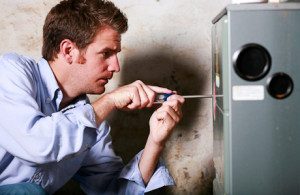 When was the last time you had your furnace serviced? If it takes you a moment to remember, it has probably been too long. Your furnace, like any other working machine, needs occasional maintenance to operate properly and efficiently. There are many reasons why maintenance is important for your furnace in Greensboro.