
How Do I Lower My Fleet Costs?
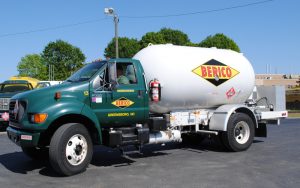 Operating a fleet of commercial vehicles is an expensive endeavor, to say the least. It seems that the costs just keep coming, from ongoing fuel purchases to routine maintenance, one-off repairs, and more. For many businesses, the difference between finishing the year in the black or the red comes down to controlling fleet costs effectively.
This article will offer some basic tips to help you move in that direction. To work with a fleet fueling service that will always respect your bottom line, contact Berico today. As a leader in the often searched phrase, “diesel fuel delivery near me,” Berico has a proven track record of offering reliable deliveries for excellent prices.
Scheduled Maintenance is Key
This is one of those “spend money to save money” points that you simply can’t afford to skip. Ongoing, scheduled maintenance is critical to the health of a fleet, and to the management of your budget. If you skip maintenance steps in the hopes of saving a bit of money along the way, those choices are sure to come back to bite you later on. Create a detailed maintenance schedule and stick with it so you can minimize the more expensive, urgent repair projects that come up down the line.
Maintain Tire Pressure
If you have a fleet that racks up a lot of miles during the average month, even small things can make a big difference to your costs. One such “small thing” is tire pressure, as having your tires underinflated leads to increased drag and reduced fuel economy. Checking tire pressure can be added as an ongoing maintenance point to help your vehicles get the best possible fuel efficiency.
Get a Fair Price
Don’t assume that fuel prices are going to be the same from one supplier to the next. Yes, the greater market is going to have the most powerful impact on prices, but picking the right supplier can help to control your costs and make sure you are getting a fair deal. Using a proven name in this industry like Berico will put you in a good position to always get the right price on things like diesel, lubricants, and other necessities.
Monitor Driver Performance
The performance of your fleet is only going to take you as far as the drivers who are sitting behind the wheel of each vehicle. With so much modern GPS technology available, you can use one of a number of different programs to monitor driver performance and make improvements, as necessary. Again, it’s about tightening up the little things that will make a big difference. If you can even tweak a few driver habits that were wasting fuel and adding miles, making those changes will have a direct impact on your profitability.
Gradually Upgrade Vehicles
With very few exceptions, newer vehicles are going to be more efficient than their older counterparts. So, if you can gradually turn your fleet over and invest in new vehicles to replace the oldest members of your fleet, fuel and maintenance costs are going to go down as a result. You probably can’t go out and buy all new vehicles immediately, but making this a priority over time is going to put you in a better position moving forward.
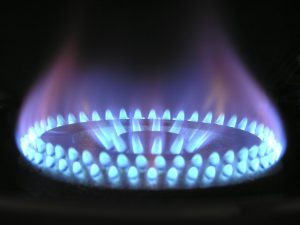 When driving your vehicle, you probably have a pretty good idea of how long your available fuel will last. Based on how much you drive, the size of your tank, the efficiency of your vehicle, etc., you’ll get familiar with how often you need to stop at the gas station to refill. The story is different with the propane tank that serves your home, however. If it gets filled up with 500 gallons, how long is that going to last? This article will take a closer look.
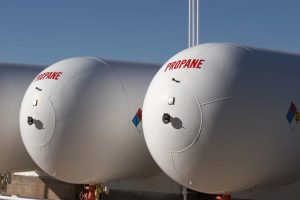 With such a sharp focus on the environment in recent years, more and more people are thinking about how their daily actions impact the earth as a whole. If you count yourself among those who want to make sure you are making sound decisions, you might be reviewing the types of energy you use to warm your home or power your vehicles. With that in mind, this article is going to turn the focus toward propane to see how it stacks up.
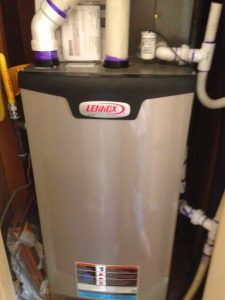 It’s easy to fall into the trap of skipping routine maintenance on your furnace. You have a lot going on, after all, and this seems like one of those things that you can afford to skip once in a while without it being a big deal. Unfortunately, routine maintenance for a furnace is quite important, so skipping it is a choice you may come to regret later on. This article will highlight just a few of the many benefits of keeping up with your maintenance schedule.
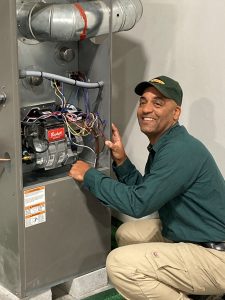 Most of the time, your furnace operates in the background while you go about your life. As long as the thermostat is set properly, you don’t need to worry about anything – the system just runs when it should, and the house stays comfortable. When problems pop up, however, you might need to call for prompt repair to get back on track.
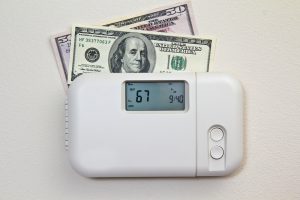 Energy efficiency is a popular topic these days, and for good reason. There tend to be plenty of benefits associated with becoming more energy efficient, although those benefits will vary from one situation to the next. This article is going to look specifically at HVAC systems to see what kinds of advantages can be gained by upgrading to a more efficient system than the one that currently serves your home.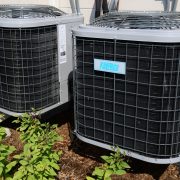
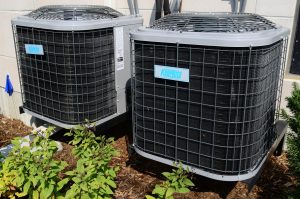 To someone who doesn’t work in the industry, HVAC systems can appear extremely complicated. Not only are there plenty of complicating factors within a single system, but there are also many differences between types of systems. You don’t need to be an expert to have the right system installed in your home, but it is helpful to understand the basics – and that’s what this article is here to offer.
 When you are in the market for a new